
Bay Scallop paddle + plant in our Tiana Bay Shellfish Sanctuary
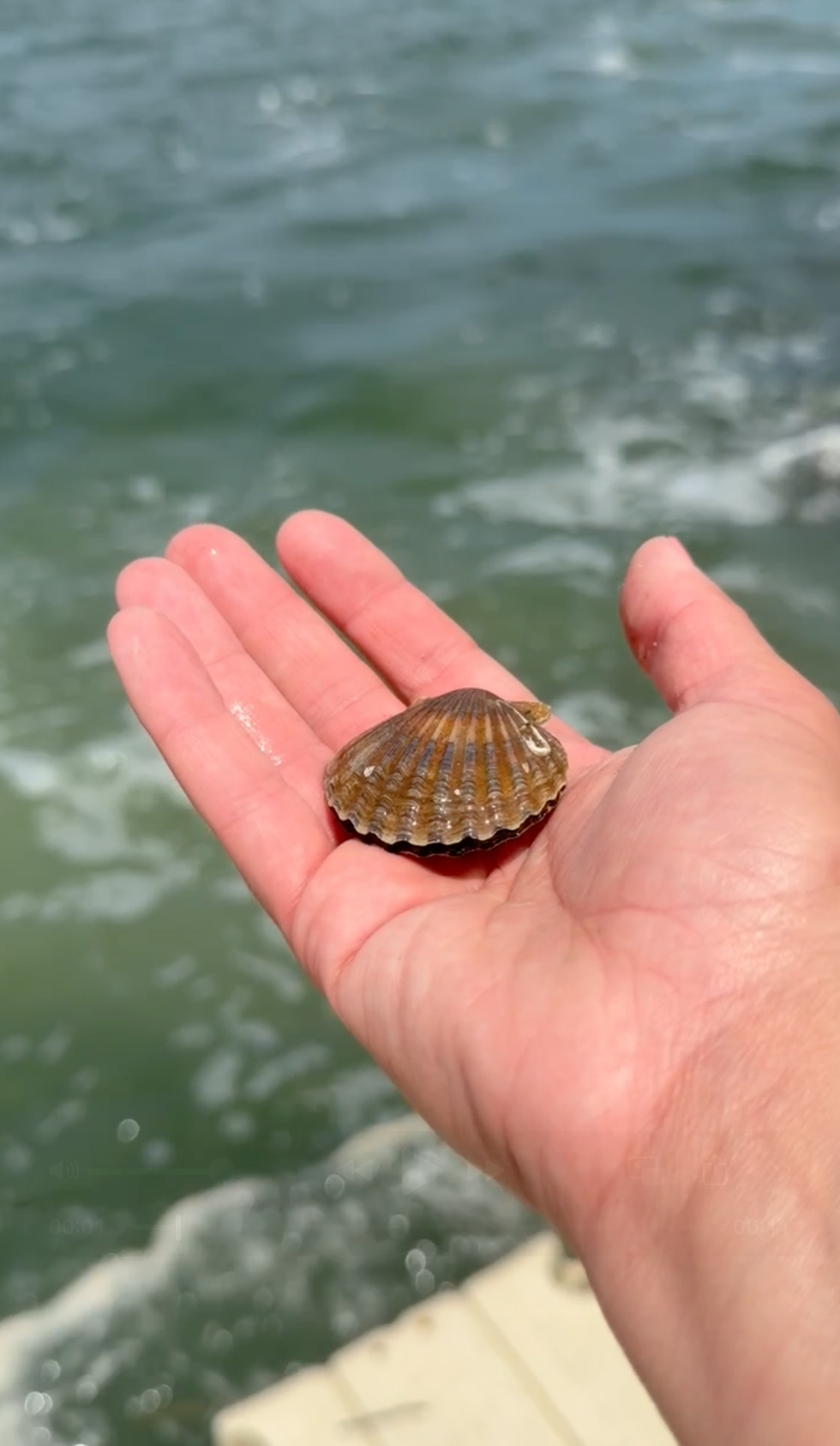
Bay Scallop (Argopecten irradians) ready for planting
On Friday, July 22 volunteers joined the CCE Marine bay scallop team, led by Harrison Tobi, to plant about 5,500 bay scallops in the protective eelgrass meadows of our Tiana Bay Shellfish Sanctuary.
Harrison and scallop assistant, Brooke DelPrete, transported the scallops to Tiana Bayside by boat from our Southold Hatchery, where they were spawned and raised from swimming larvae in 2025. Before deployment, average size data was collected from a subset. A total of about 5,500 bay scallops, with an average shell height of 40mm.
Volunteer Back to the Bays Stewards and other CCE staff members joined in via paddle board or kayak, to help distribute the scallops.
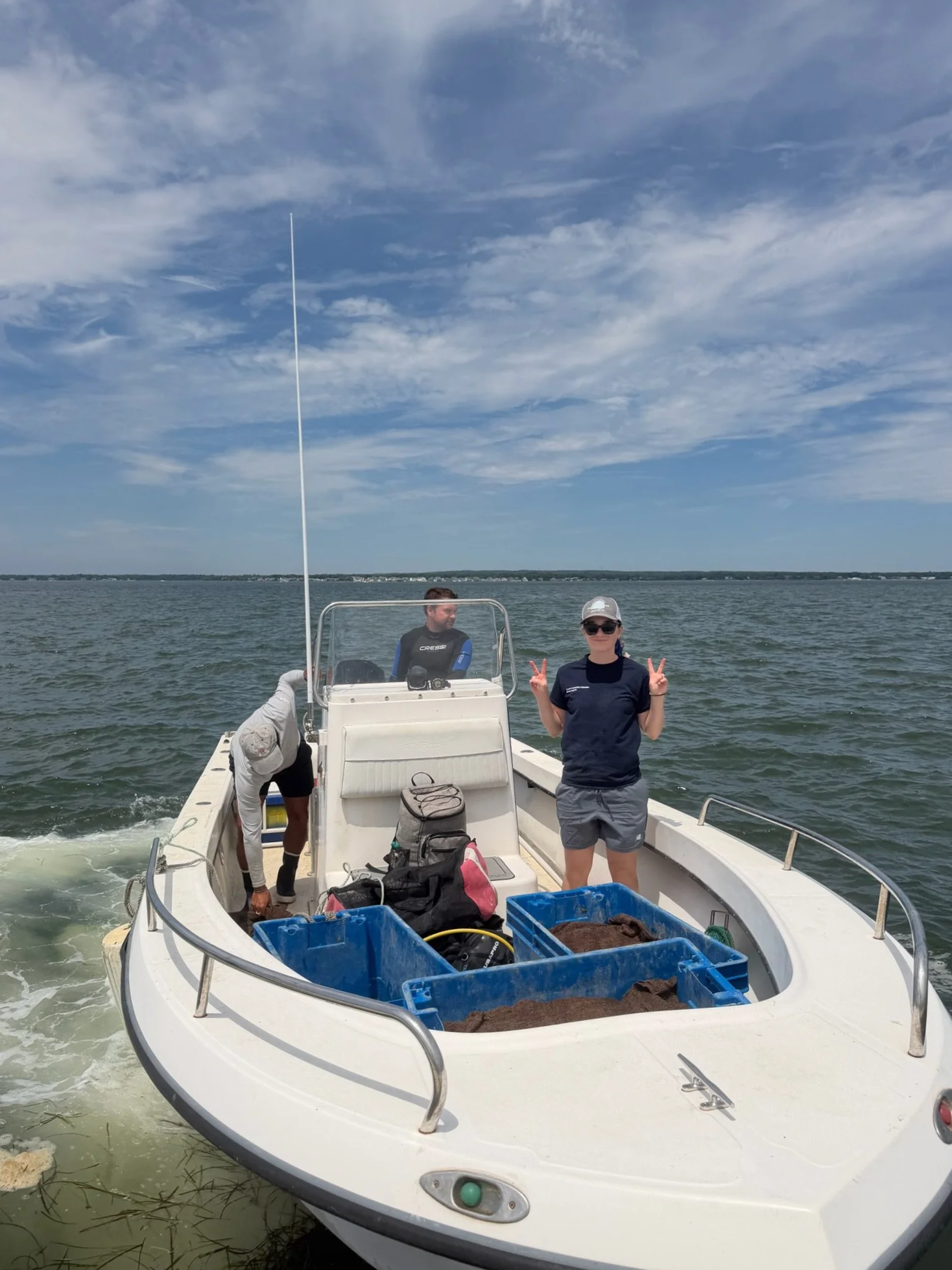
Harrison and Brooke, ready to hand off more scallops to the paddlers from the boat.
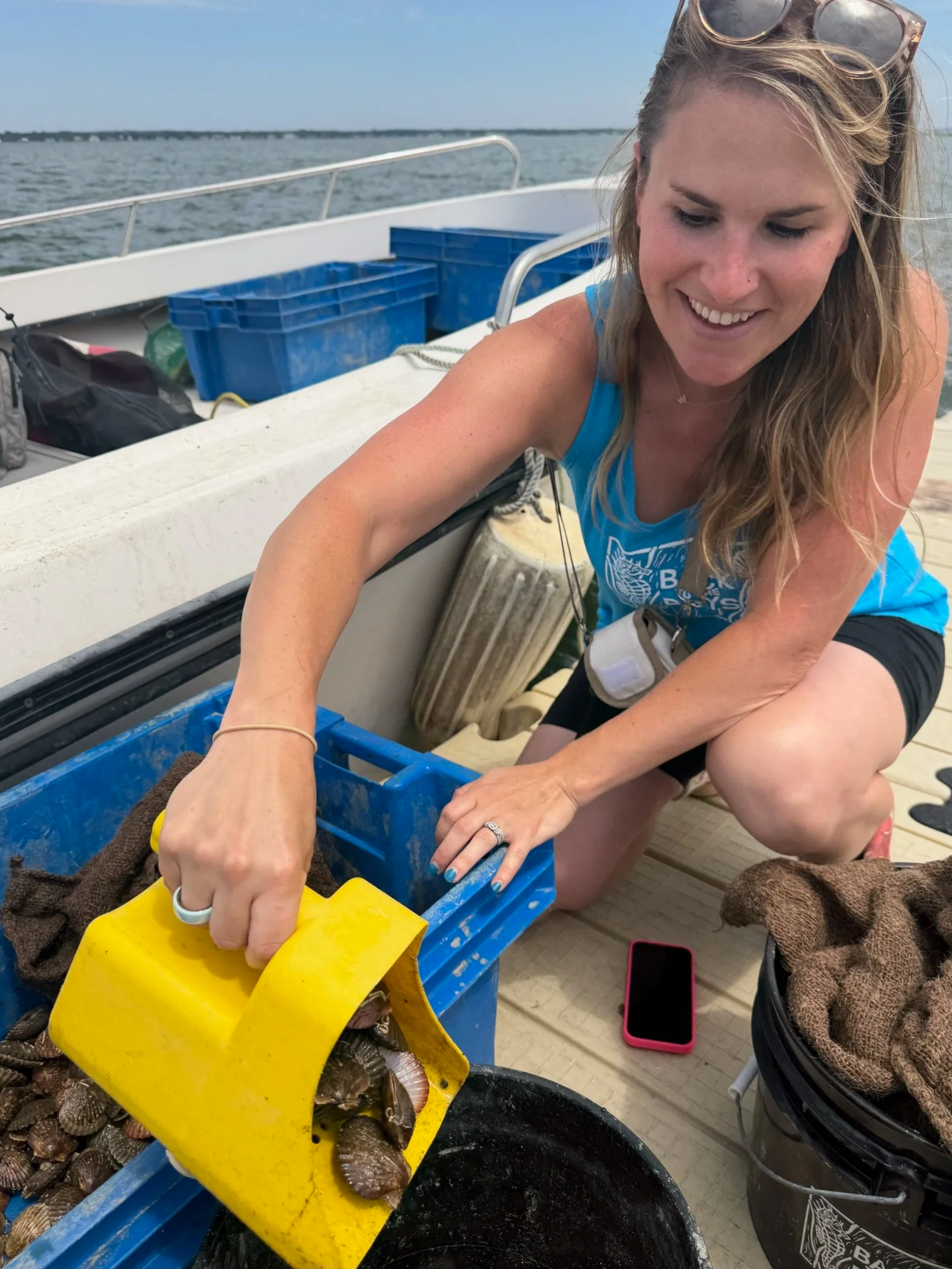
At Back to the Bays, we wear many hats! Kelsey Ketchum (Marketing Coordinator) joined the fun to take pictures and help deploy bay scallops.
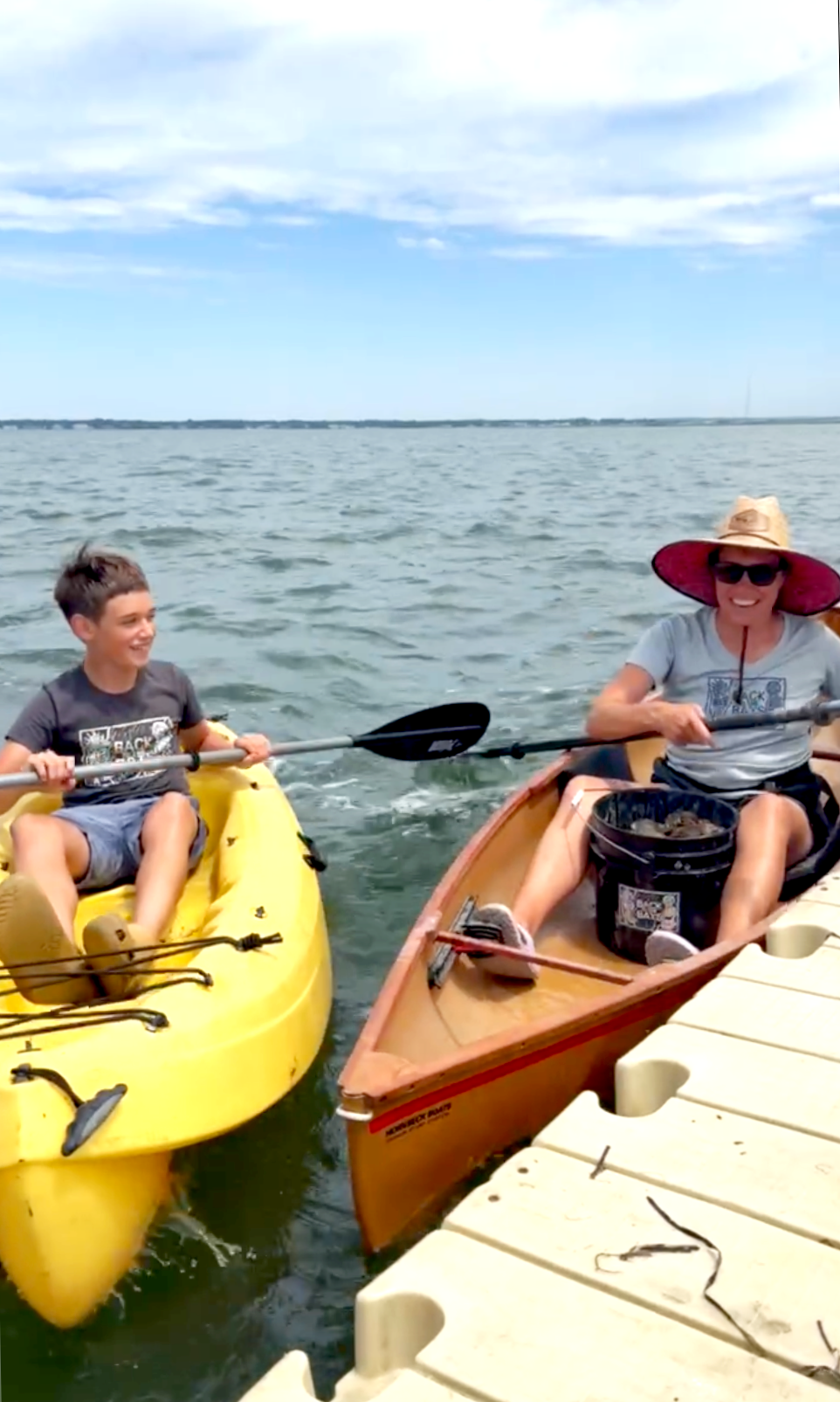
What it’s like to have an aquaculturist mom - “bring your kid to work day”
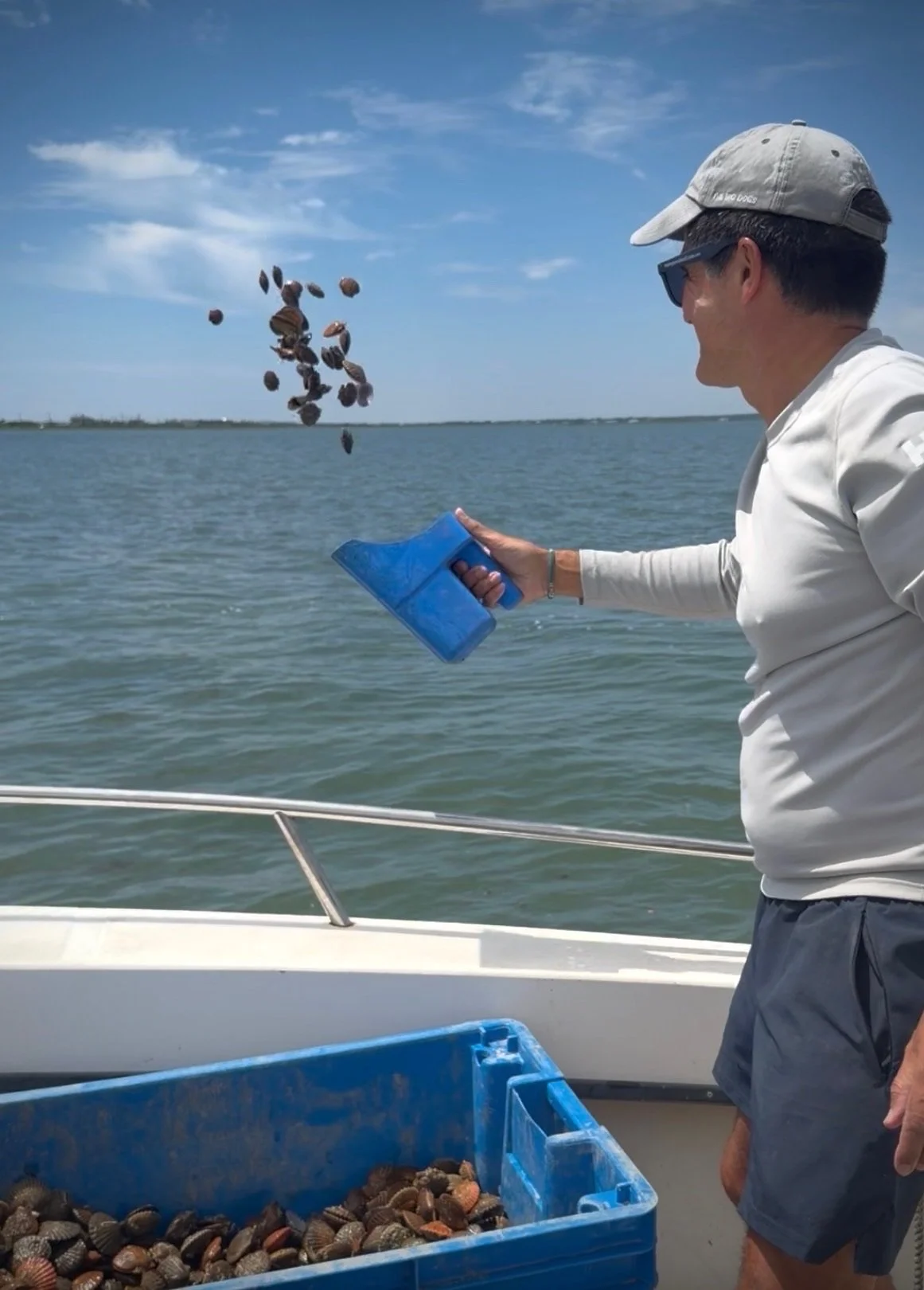
Volunteer, Ben Gonzales, spreading scallops by boat.
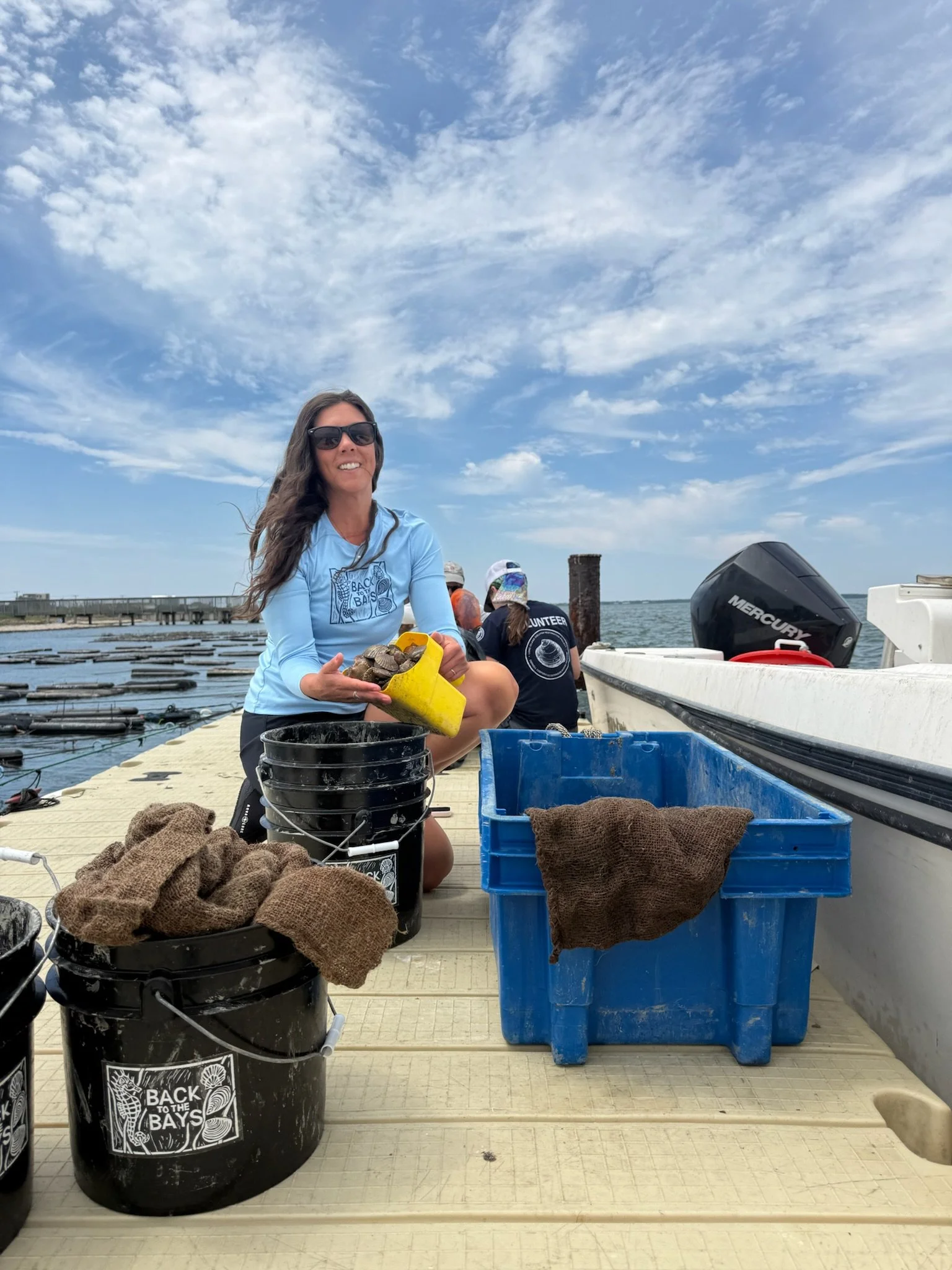
Kim Barbour (Back to the Bays Director) helping to fill buckets for the paddlers to distribute.
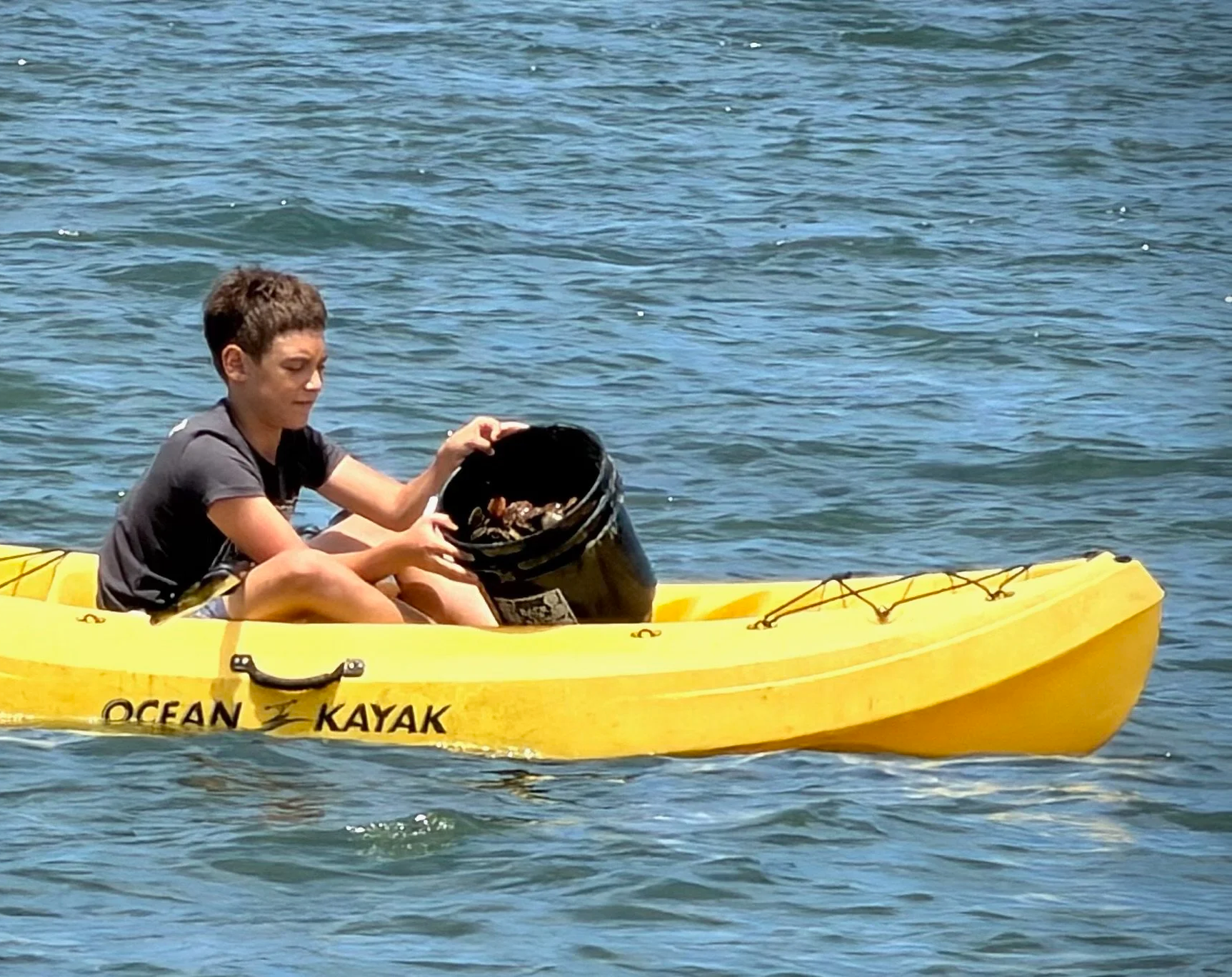
Youth volunteer, Oscar, deploying scallops by kayak
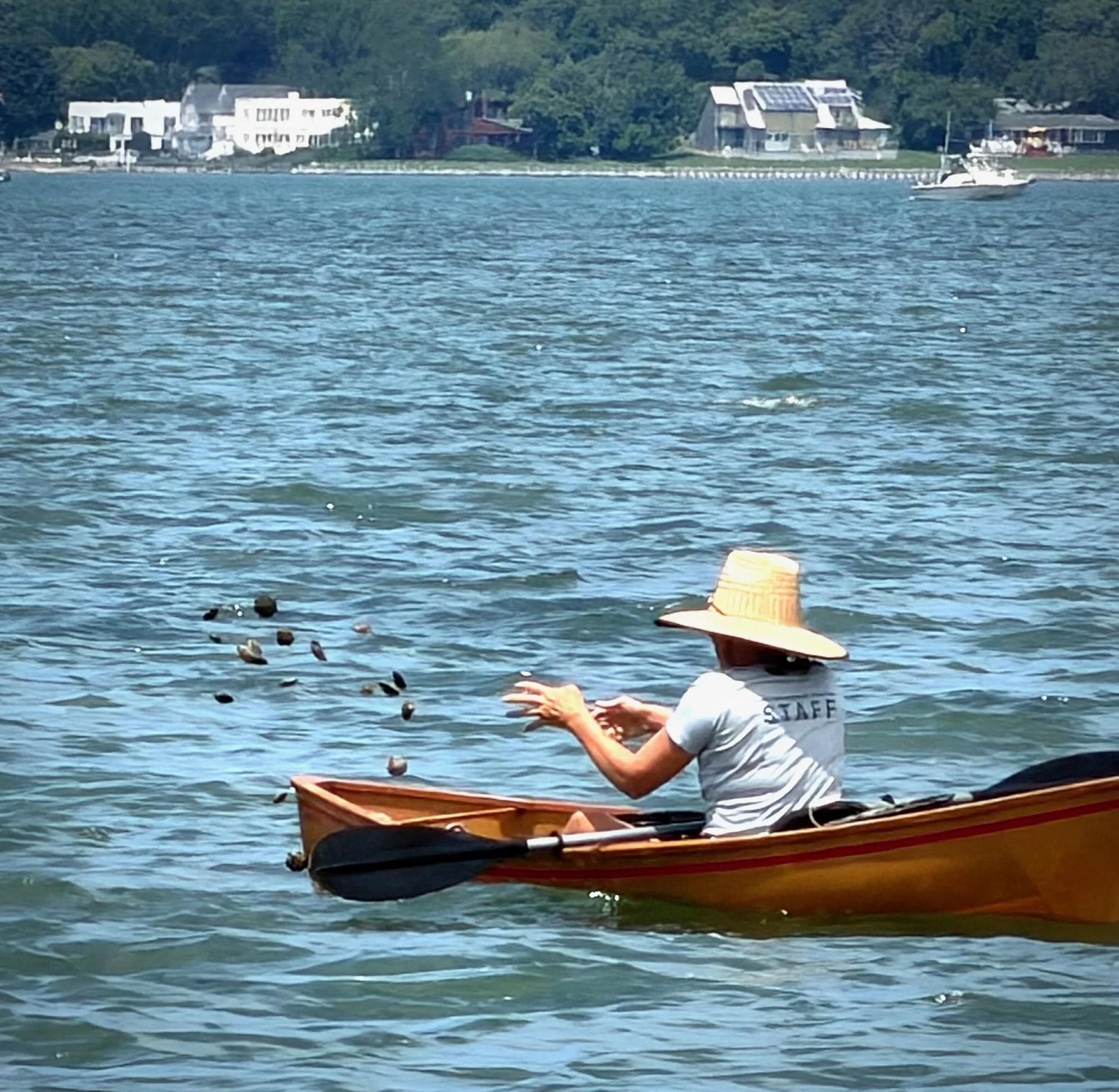
Kate Rossi-Snook (Back to the Bays Aquaculture Coordinator) seeding scallops from a canoe.
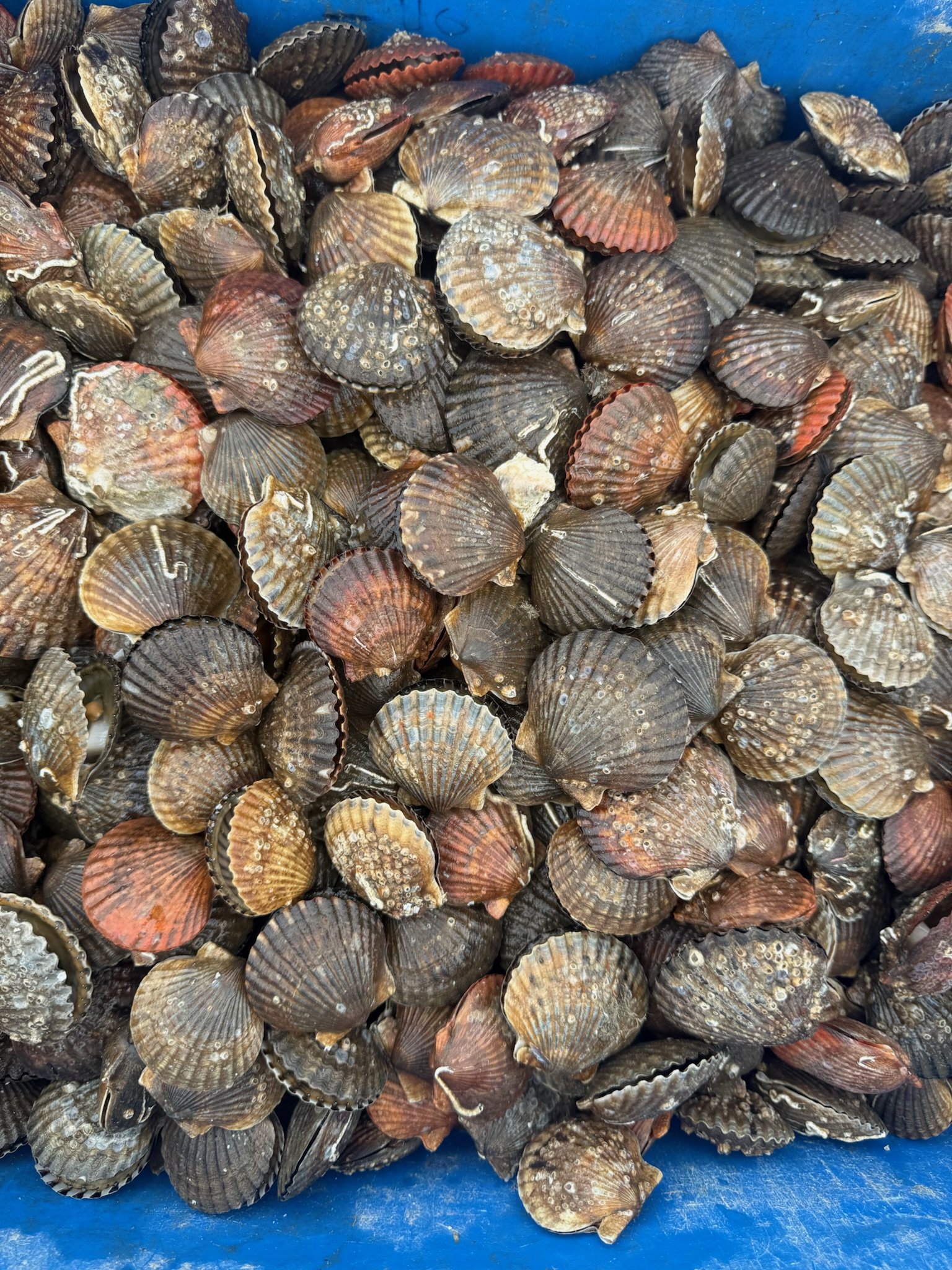
Did you know scallops are a broadcast-spawner bivalve species? This means they release their eggs and sperm directly into the water column to be fertilized externally.
Seeding these species in small protected areas at higher densities helps to increases the egg fertilization rate, therefore improving the successful rearing of the next generation of shellfish.
This method, referred to as “spawner sanctuaries,” is commonly used in restoration efforts due to its documented success in bolstering the wild set of these species. Although, bay scallops only live about 2 years, these filter feeders will contribute to the larger population and improve water quality as they feed on wild phytoplankton (algae).
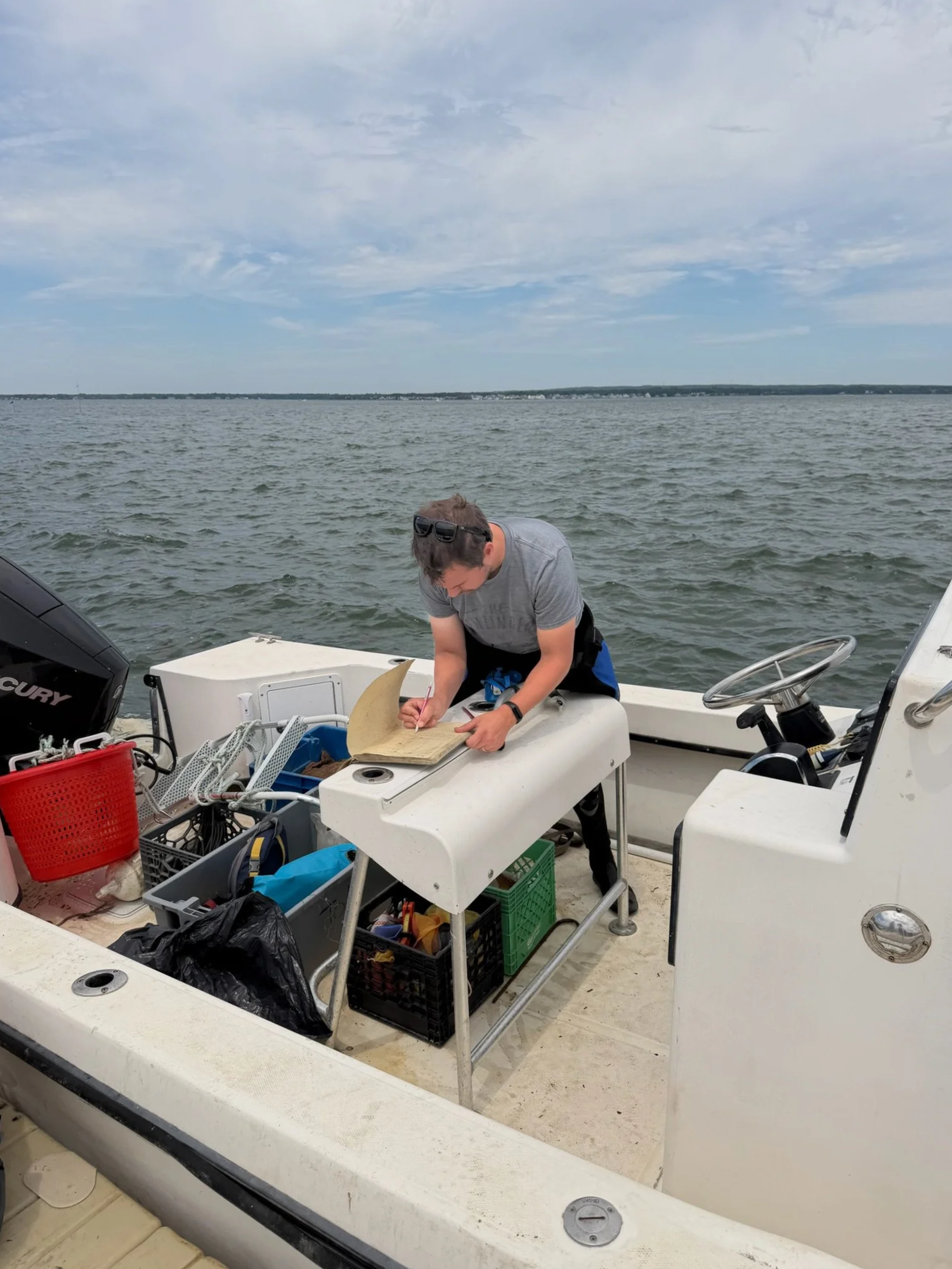
Harrison recording data before SCUBA diving to install the lantern nets filled with juvenile scallops, which are then anchored to the bottom near the dock.
In addition to planting scallops in the sanctuary, approximately 5,000 juvenile scallops of the 2026 year-class were deployed in aquaculture gear to conduct growth-rate and survival analysis.
Staff and volunteers helped to fill mesh “spat bags” with tiny juvenile scallops, which were then placed in lantern nets and suspended in the water for growout.
These baby scallops will also contribute to filtering bay water as they feed and grow!
Check back later this year for more scallop updates from our Tiana Bayside Shellfish Sanctuary!
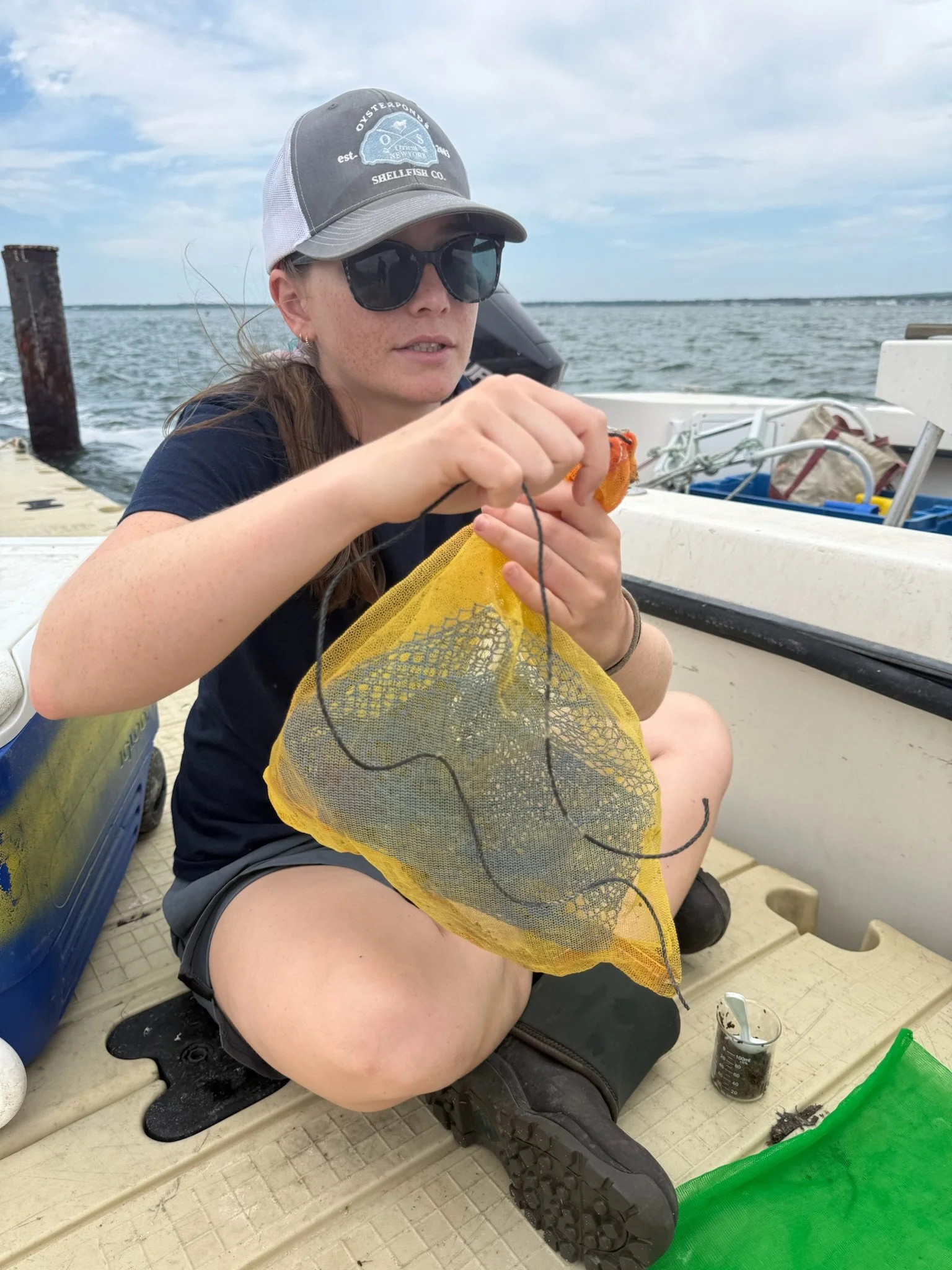
A fine mesh bag protects against predation, while a rigid mesh interior keeps the bag open for scallops to move around - yes, scallops can swim!
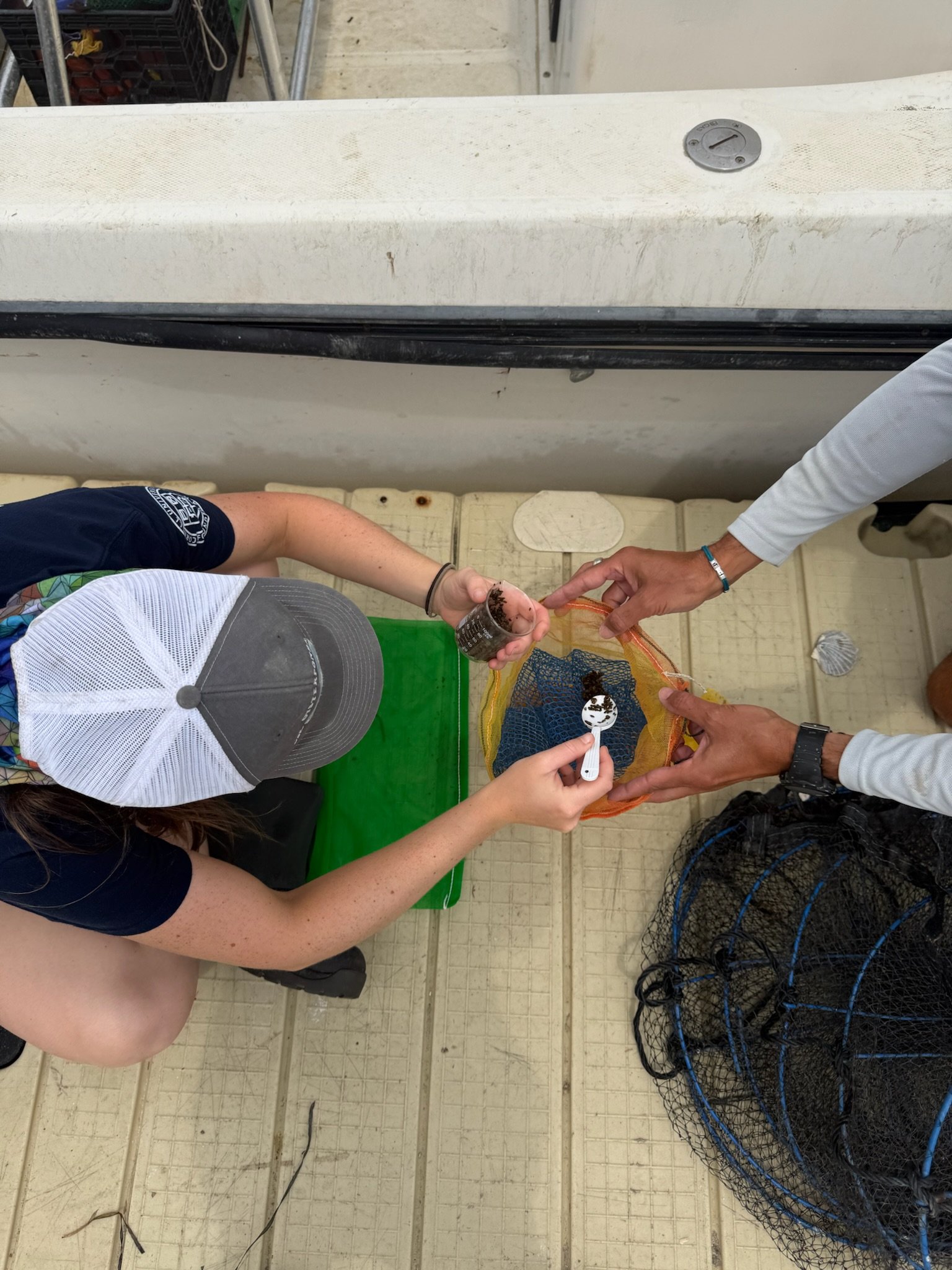
Brooke and Ben, measuring specific amounts of baby scallops by volume for each aquaculture enclosure to prevent over crowding.
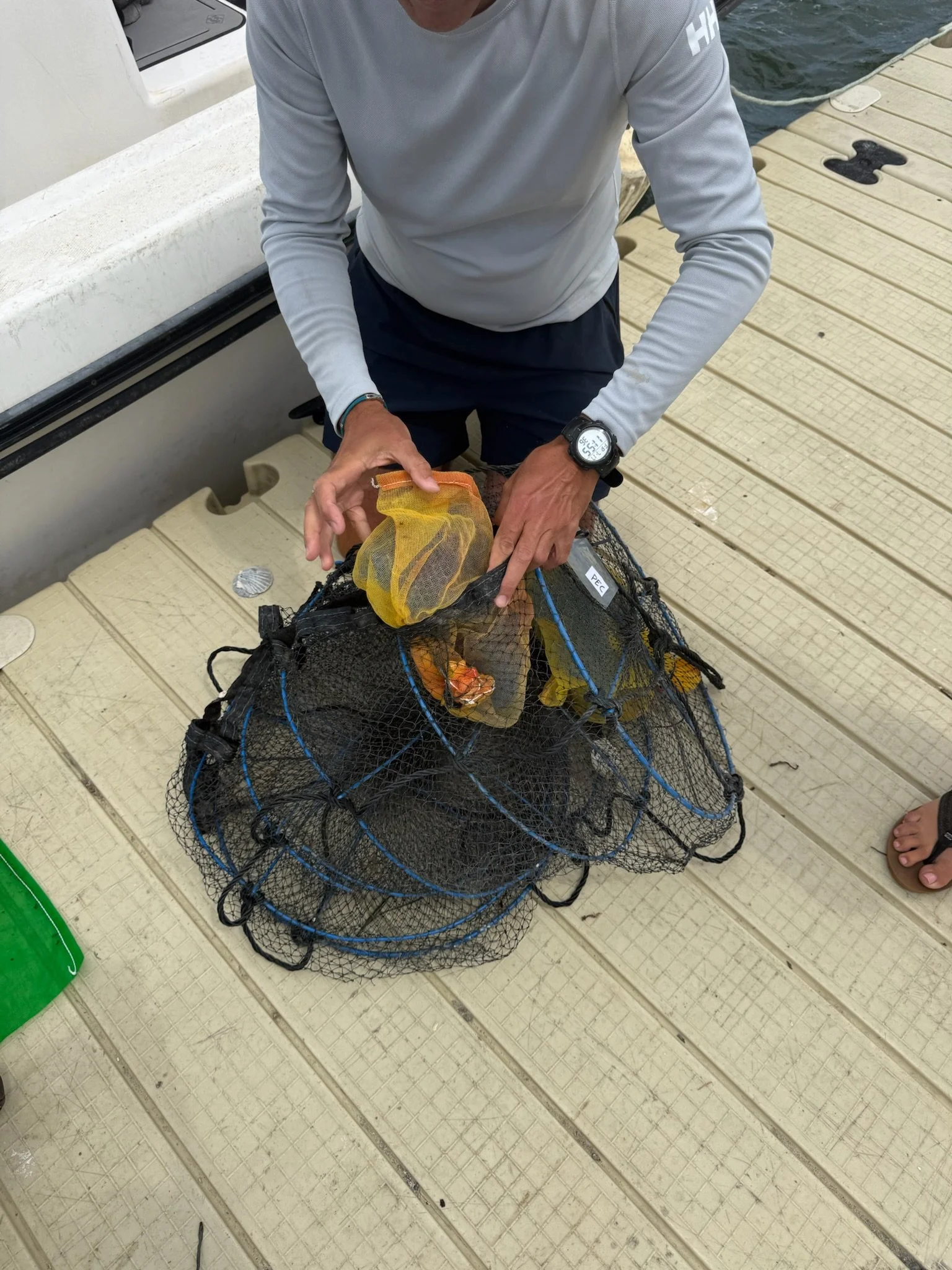
Loading spat bags into the lantern net