October is a busy time for field work for those of us in the marine habitat restoration field. Eelgrass, our local seagrass species, is planted by CCE divers almost exclusively in October (occasionally in November, or in the spring while waters are cold). But, another one of our target species for restoration is also at an important stage in the fall. Our local salt marshes shimmer golden brown this time of year, and if you look closely, you’ll see the reason why - marsh grasses “go to seed” in October, with some variation in seed readiness depending on location.
CCE’s Back to the Bays team has been collecting this seed from various locations within Southampton Town for the past two weeks or so, building up a supply that will be germinated and propagated in greenhouses at our facilities and local schools participating in our Reef Raisers and Meadow Makers programs.
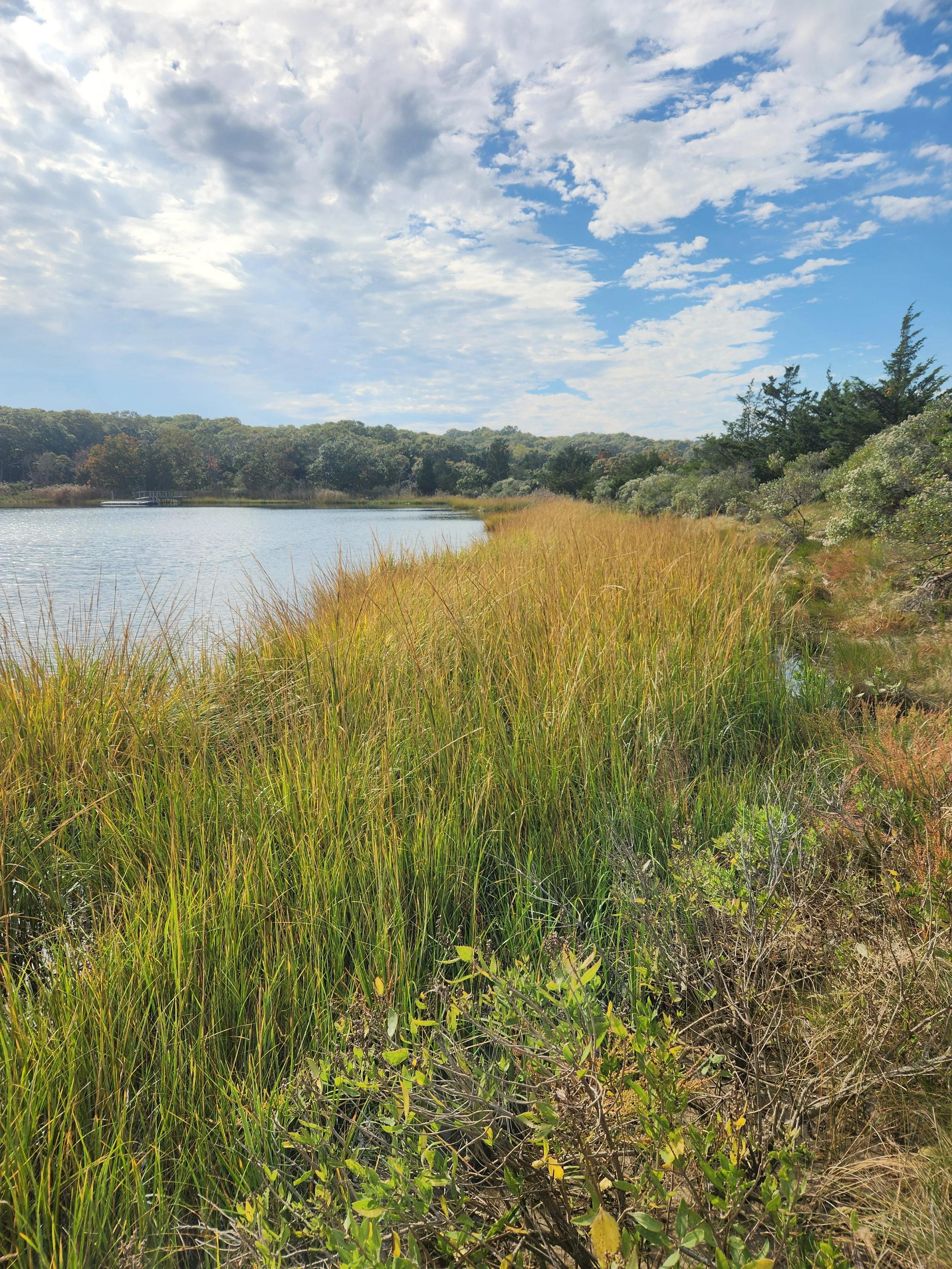
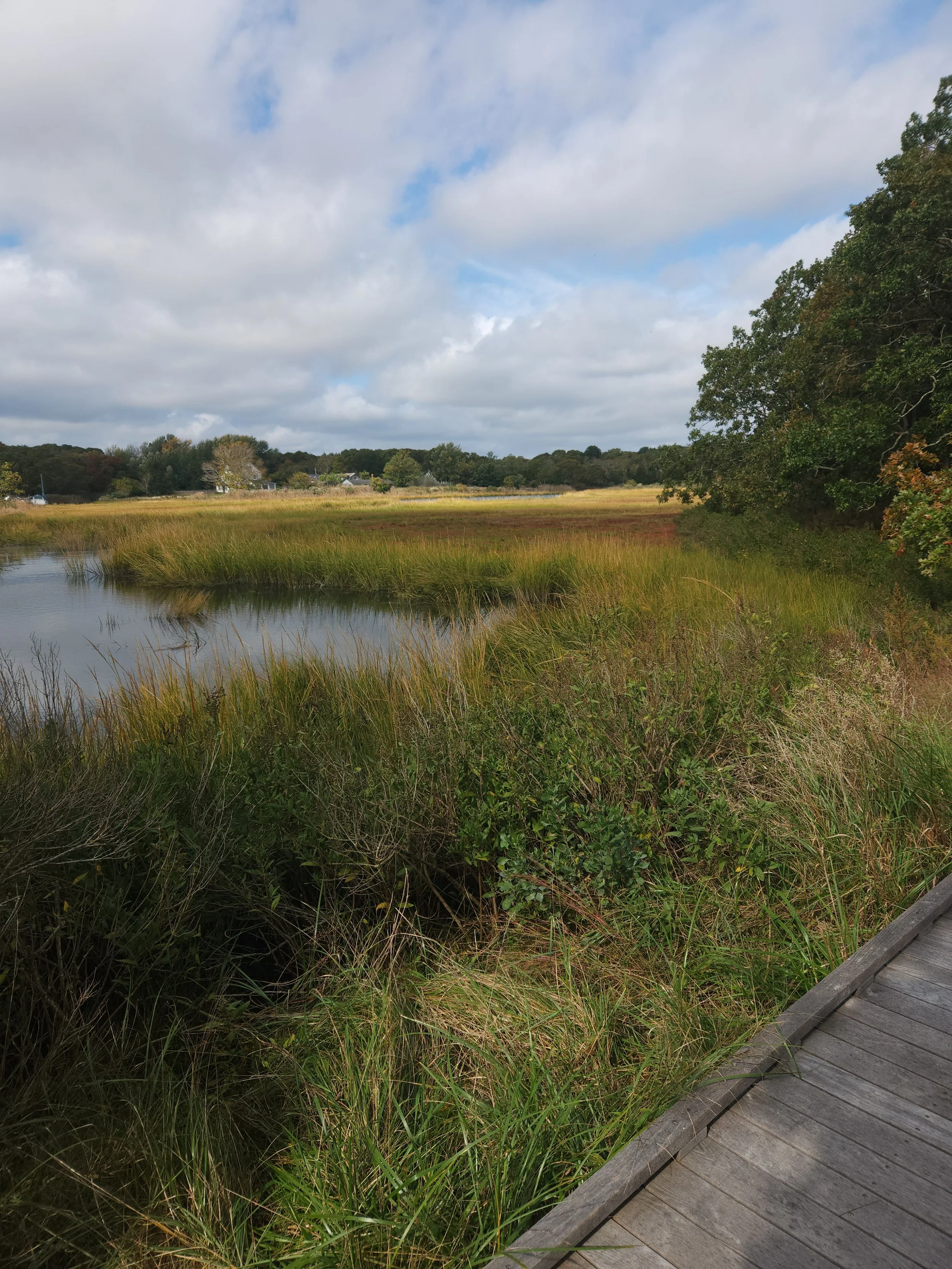
Marsh edge in Sag Harbor Cove is full of golden seed heads ready for collection.
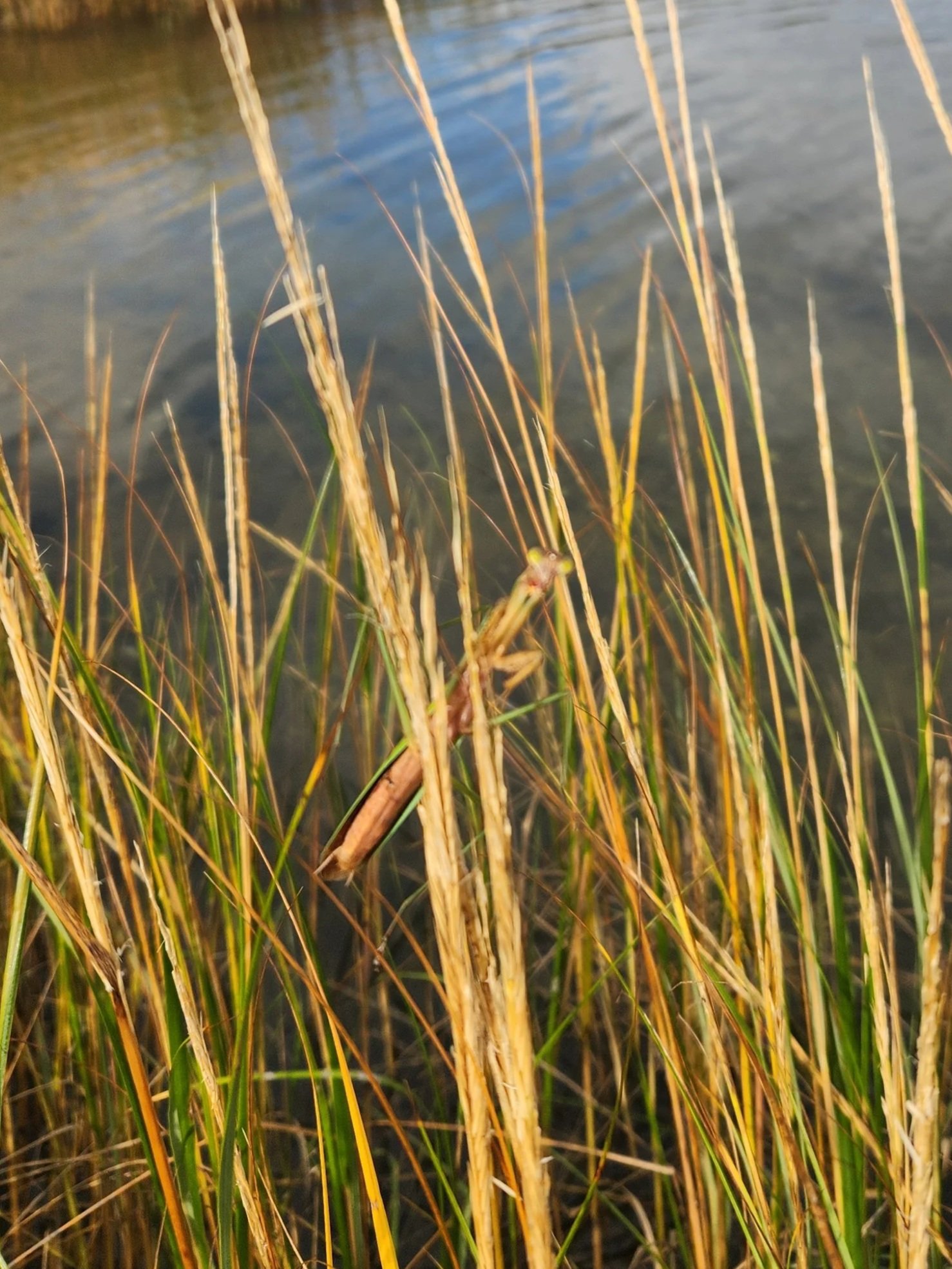
A praying mantis camouflages in the marsh grass.
The seed will be carefully cleaned and stratified over winter, and will then be ready for germination in March! We are excited to get this going at several schools this spring, including East Quogue, thanks to funding secured through a Southampton Town Community Preservation Fund WQIP grant.
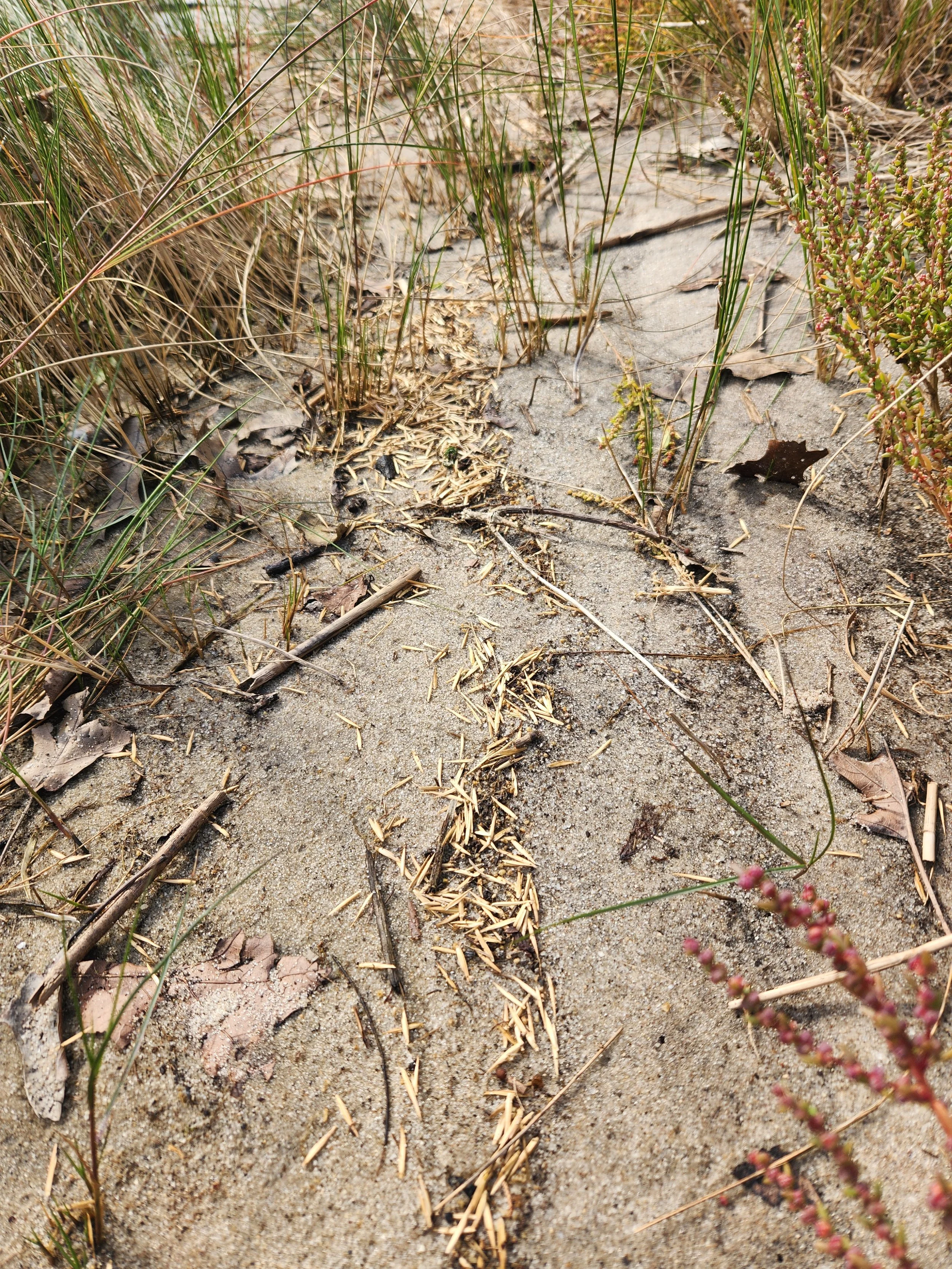
Seeds naturally fall due to wind once mature, and are transported by the tide. Seeds were plentiful along the high tide line.
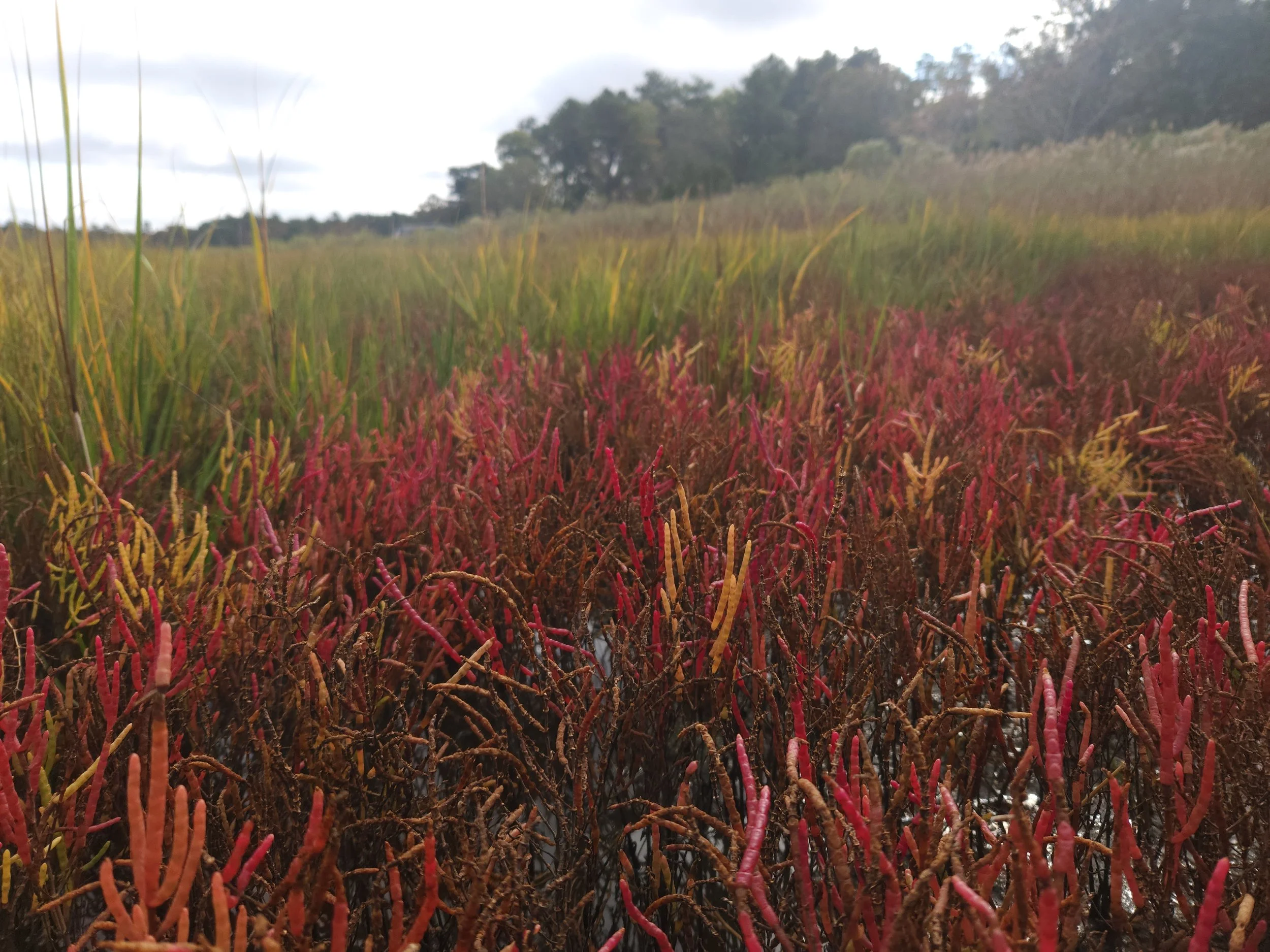
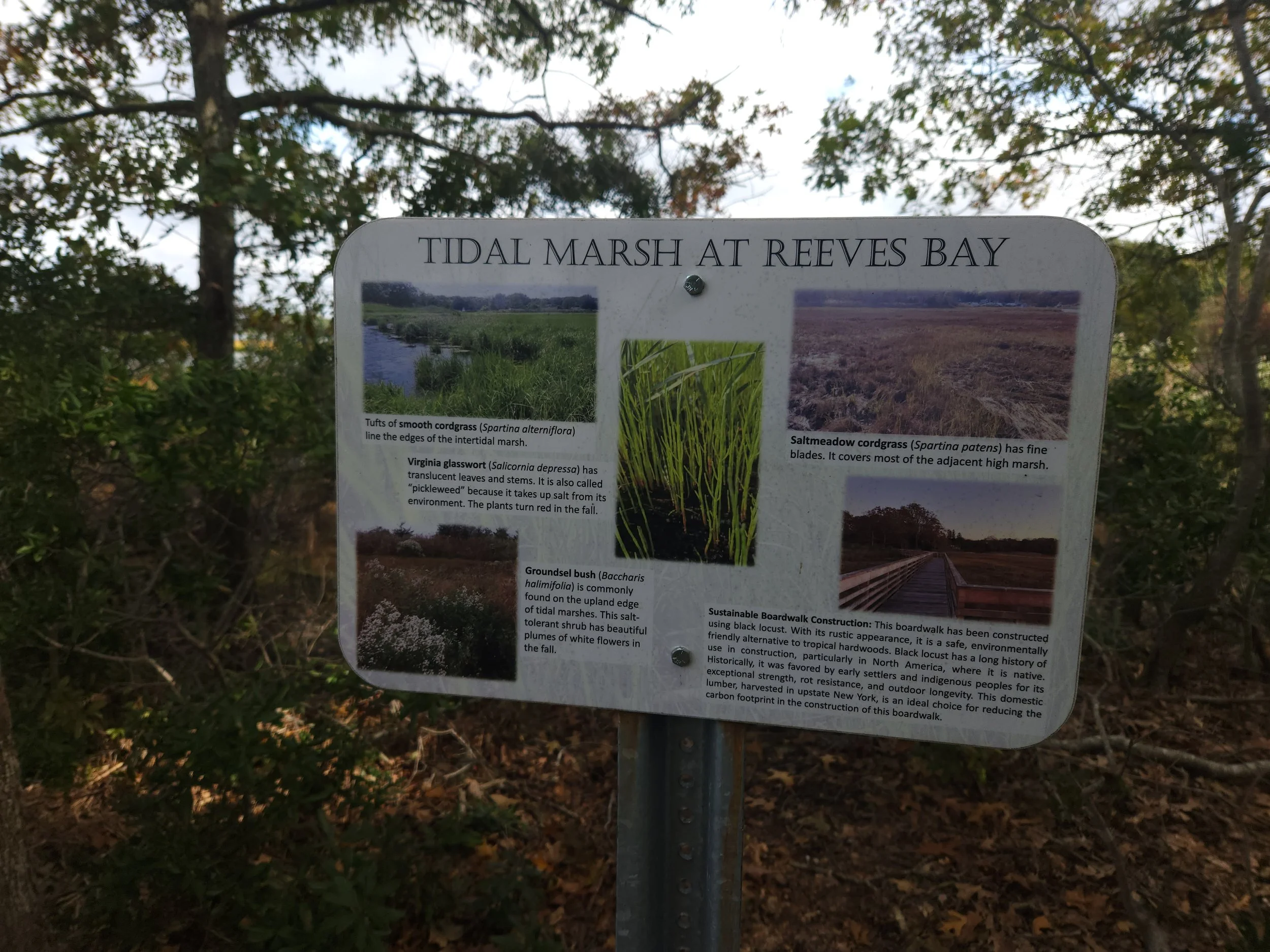
Glassworts, also known by locals as sea pickles, are succulents that thrive in our upper marshes. In Fall, they turn this beautiful ruby red color.
Collection needs to be be timed with low tide, but we wear waders and always work in pairs or teams, to avoid getting stuck in the mud! Salt marsh mud, as thick and sulfur-smelling as it is, holds high ecological value to the coastal habitat and the surrounding land. The continuous cycles of growth and decomposition in a marsh help to sequester large amounts of carbon, absorb excess nutrients from the water, and form layers of nutrient-rich peat that builds up and protects coastlines.
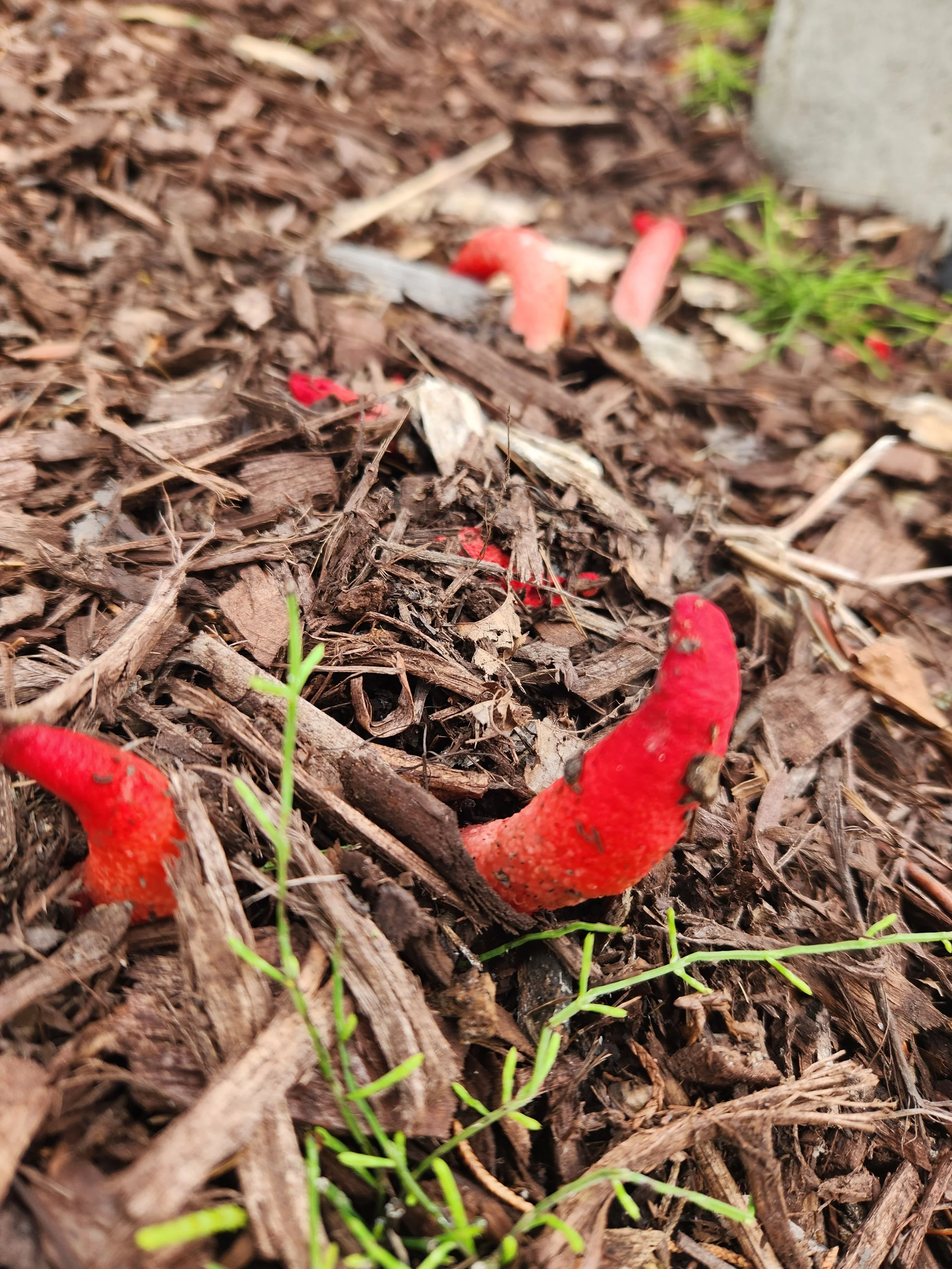
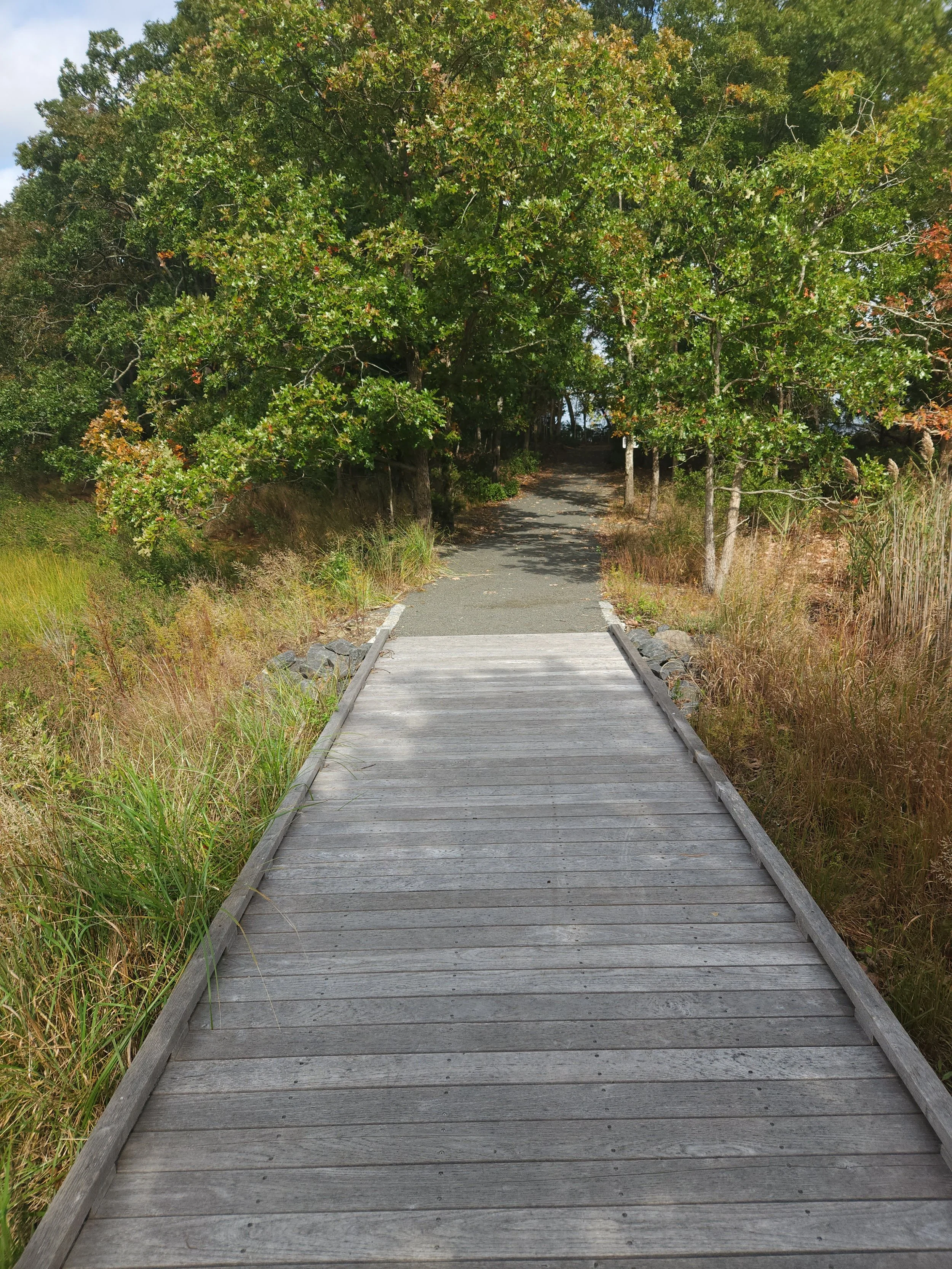
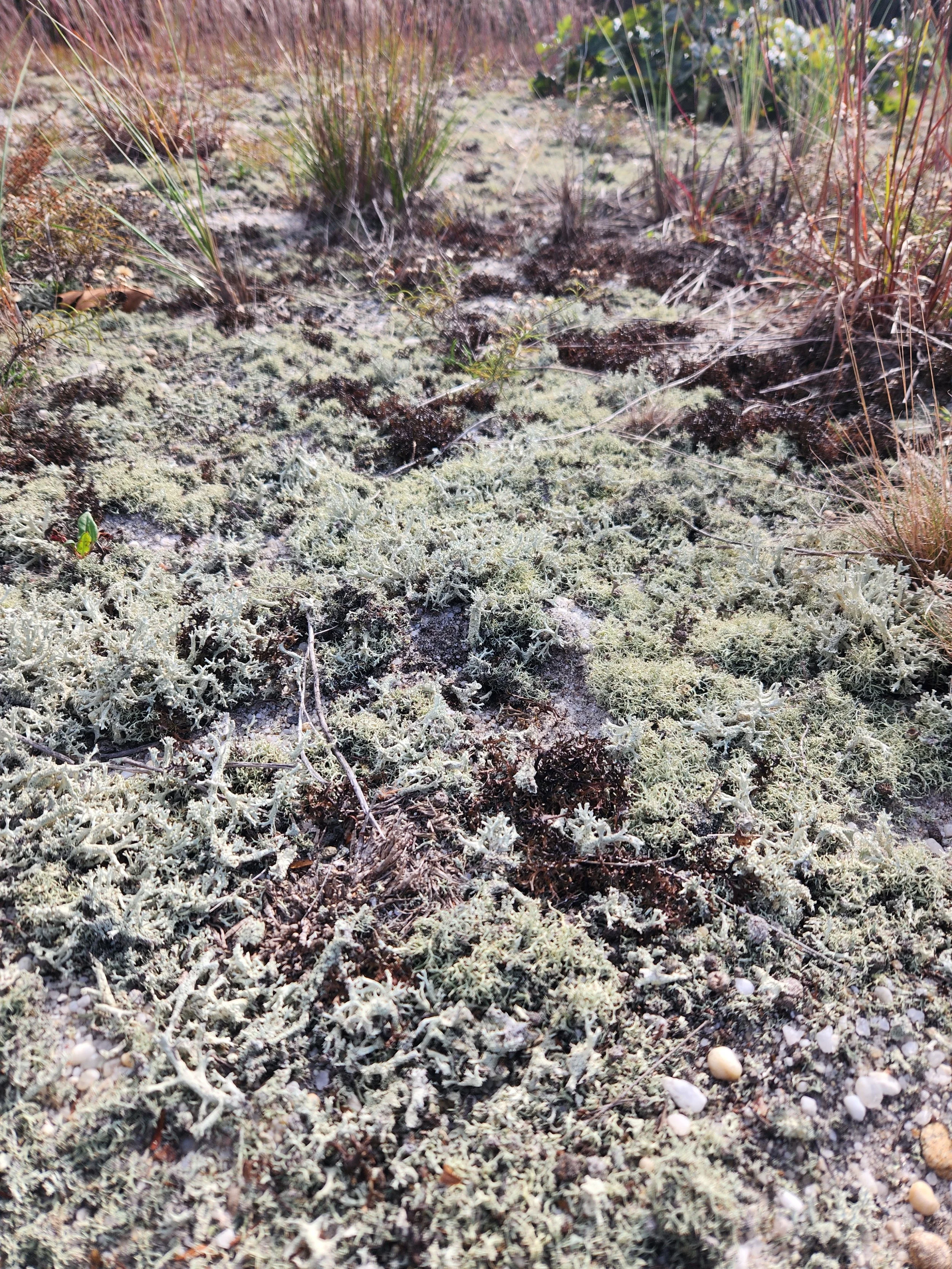
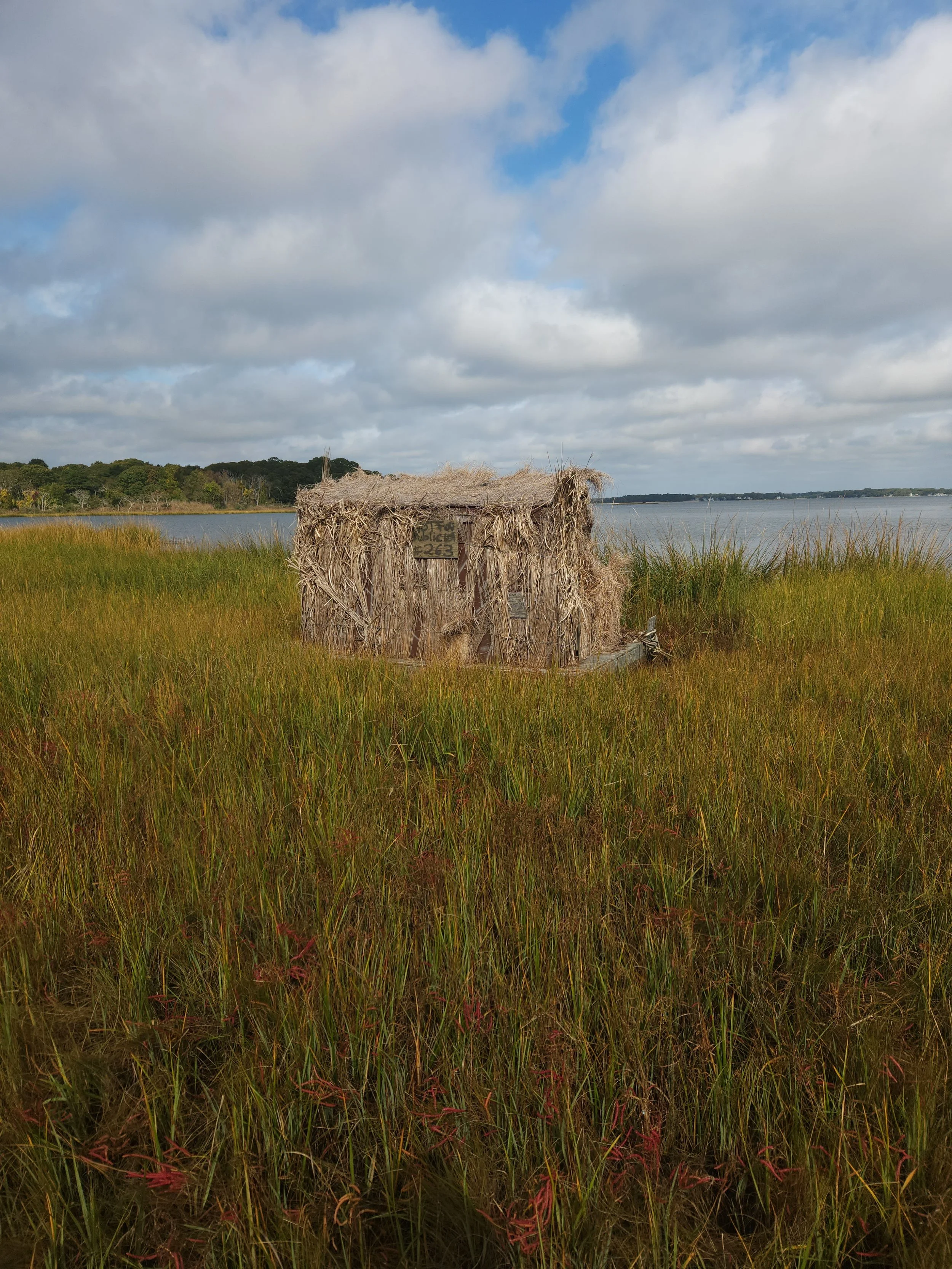
While exploring these beautiful shorelines, I got to see some new trails, species I’ve never seen (like this Devil’s Finger mushroom below), and coastal plants in their full fall colors (like the ruby red glasswort above). Here are a few more snapshots from seed collection trips in Flanders and Sag Harbor. Enjoy!