
Back to the Bays Marches On
For the Hampton Bays St. Patrick’s Day Parade, we created a float to represent Back to the Bays and educate people about the amazing work that CCE Marine Program does in our local waters. Below, is a first-hand account from our resident artist, Carolyn Munaco, of the impressive effort leading up to a spectacular parade day with lots of spectators cheering us on. We even took 3rd place in the float contest!
Step 1: Concept
Show some of ways in which Cornell Cooperative Extension Marine Program works in our local waterways to help hard clam, oyster, scallop, eelgrass, seahorse, and horseshoe crab populations, and MAKE IT FUN!
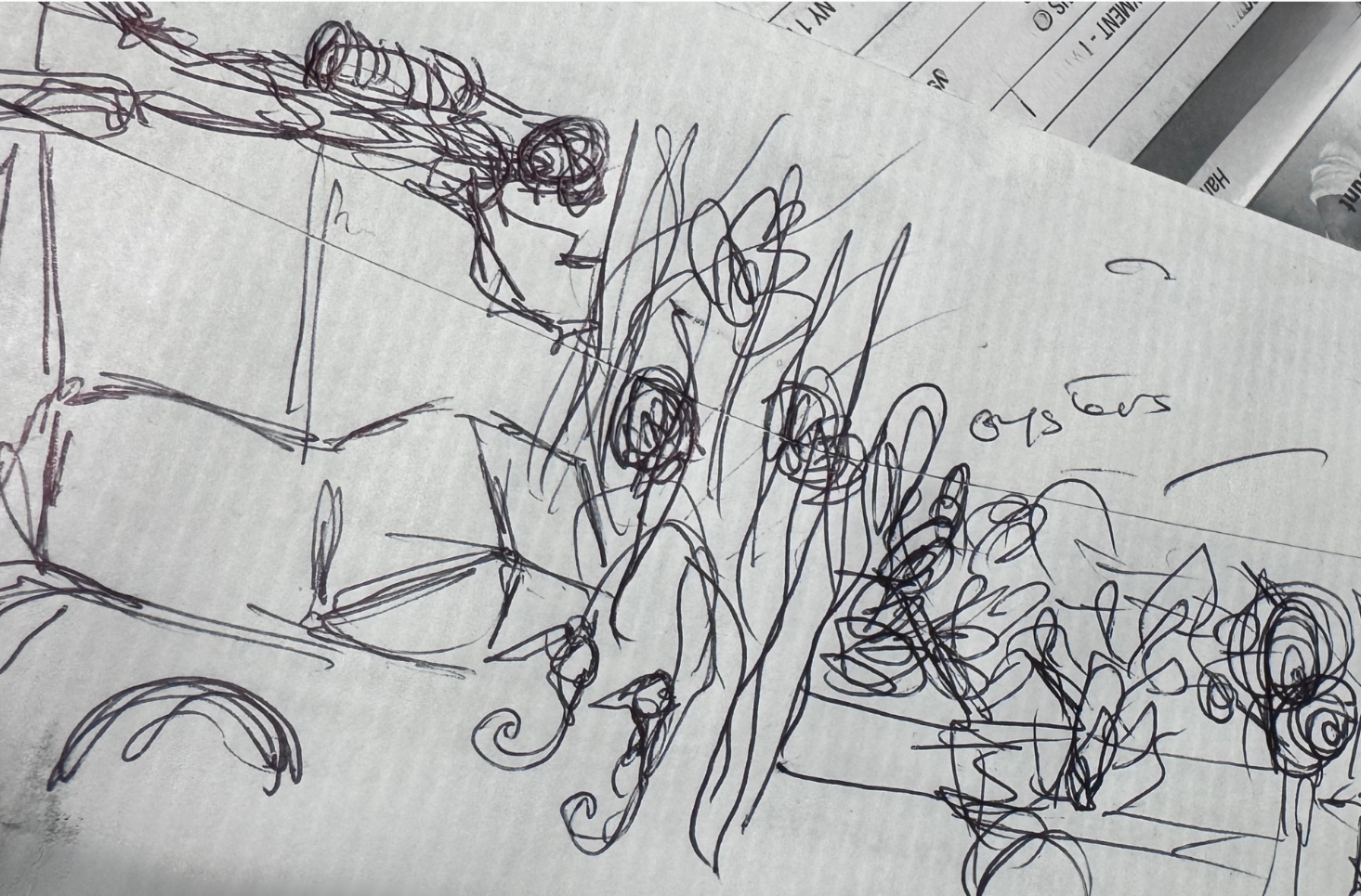
concept sketch
Step 2: Engaging the Community
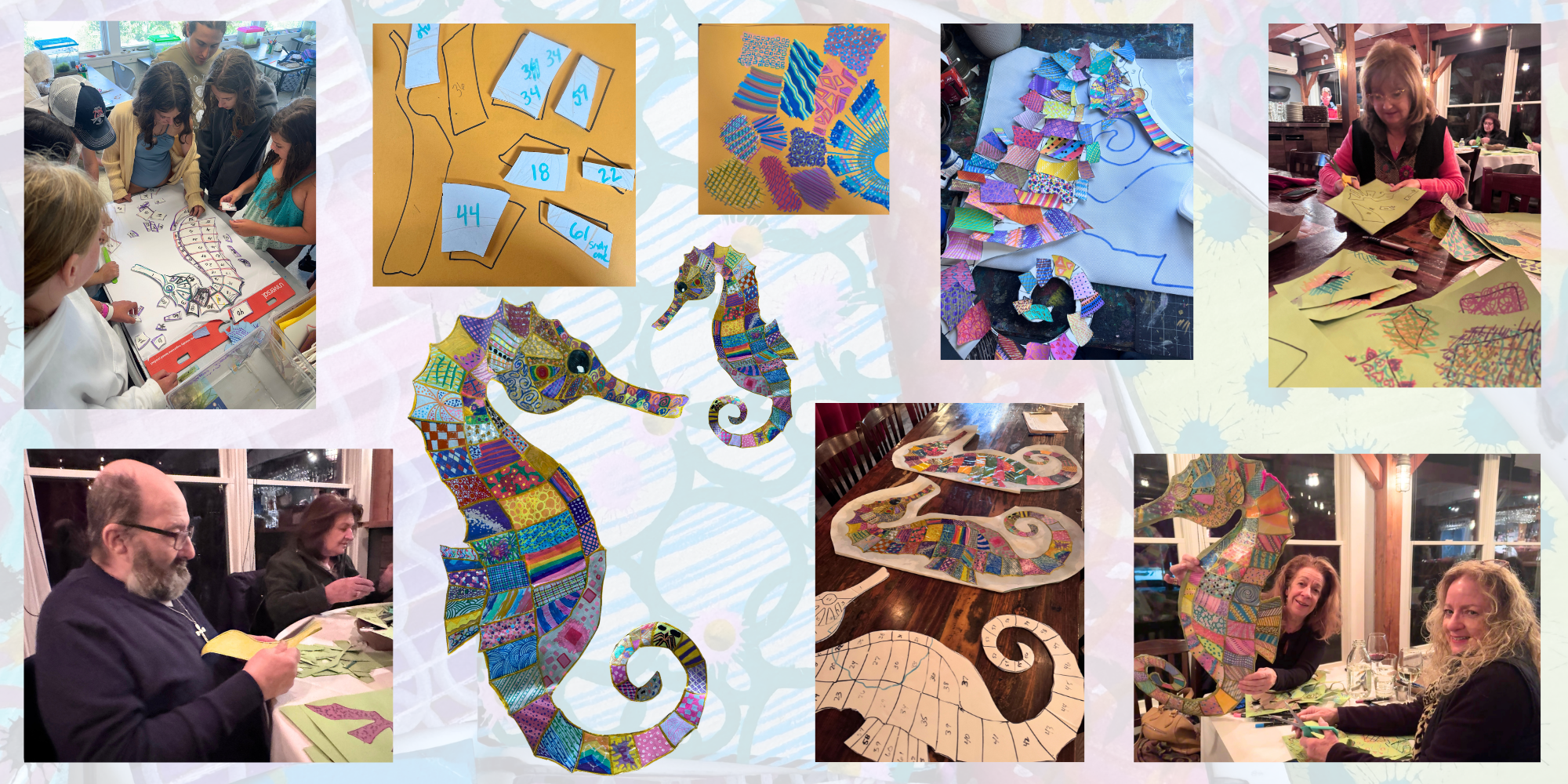
Our first community seahorses were completed with our Seahorse Art & Science program in August 2025. And then at an ArtSea Seahorse session in February 2026 at Cowfish in Hampton Bays we created more of our colorful seahorse community collages!
Step 3: Finishing the Project
With the parade date approaching, I knew I had to make this work and was looking forward to the challenge. As much as I love guiding and creating artwork with community, like most people, I work much faster and uninhibited when I can focus on only my hands and mind. In an effort to reserve most of the budget for outreach materials to give out at the parade, I decided to go with repurposed or up-cycled items - cardboard, old traps, rope, wire, plastic, flexible tent posts, burlap scraps, newspapers, etc.
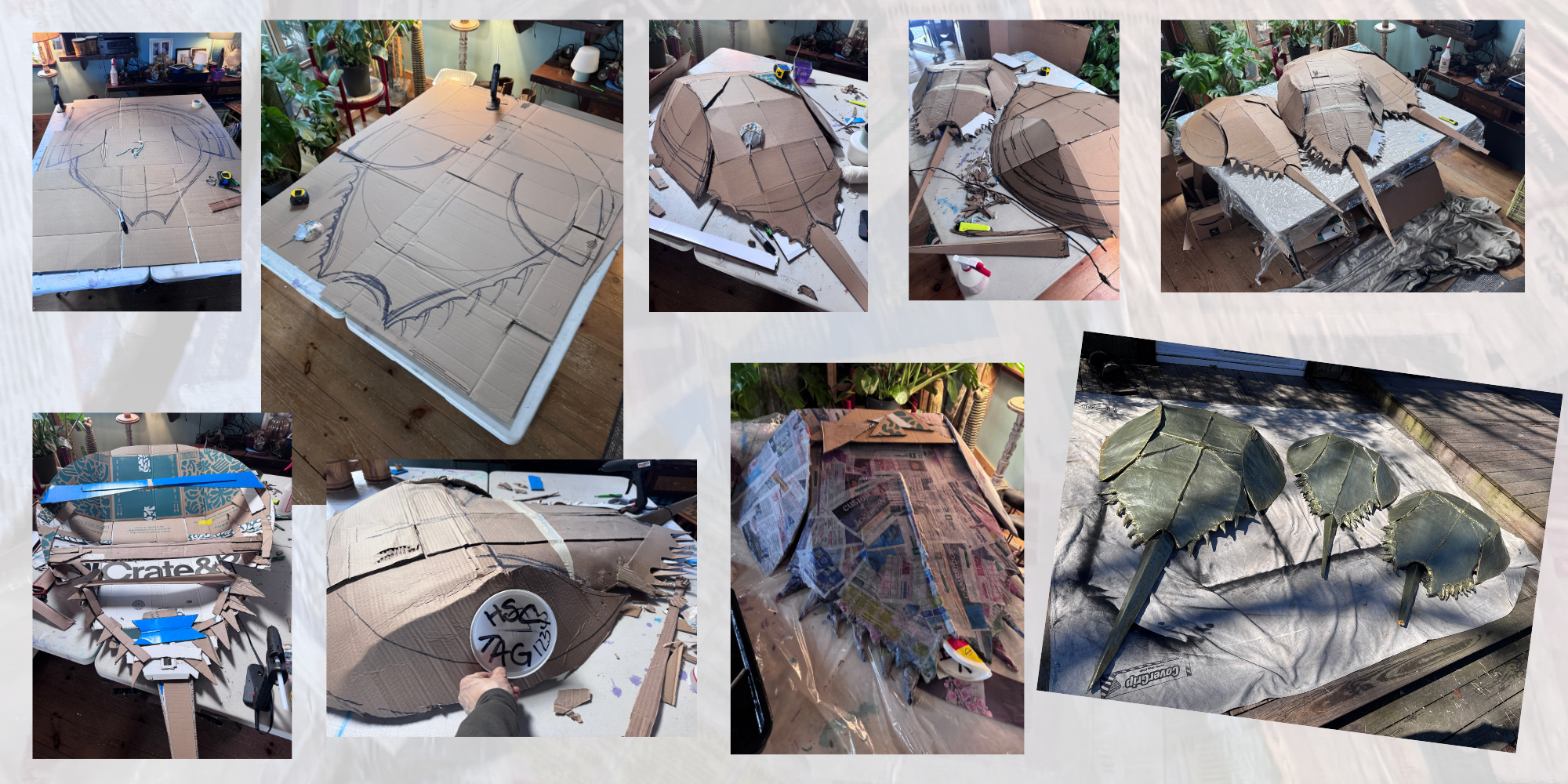
Making giant horseshoe crabs - The largest is over 6’ long!
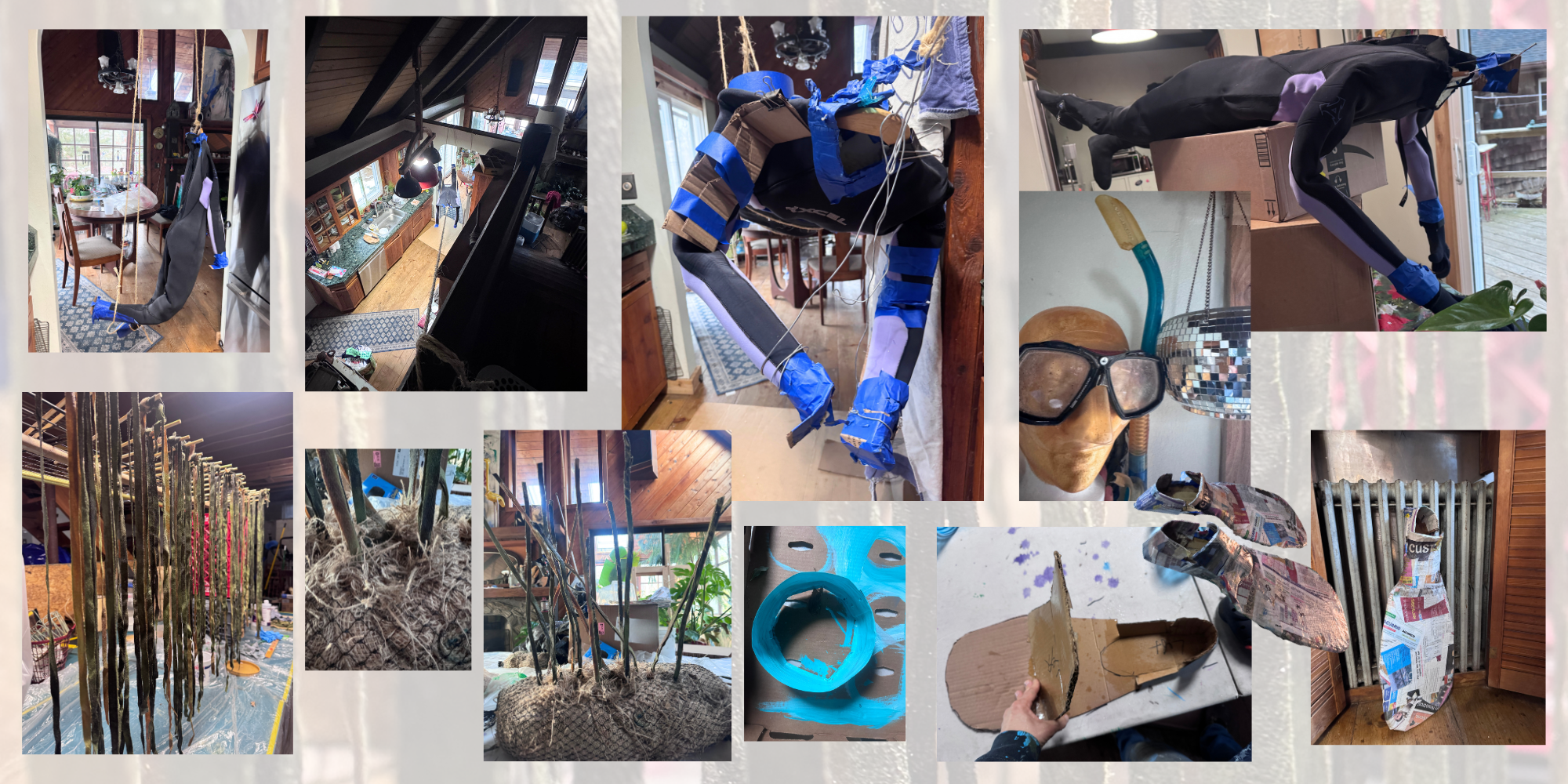
Creating the habitat restoration diver and her eelgrass
I filled an old wetsuit with styrofoam packing materials, wire, & some spray foam and suspended it from the rafters in my house so that the foam would dry rounded and not flat. My daughter had a great laugh when she walked in the door after work! The flippers are made from cardboard & paper mache and the head is from a styrofoam head painted gold.
For the eelgrass I used cotton ribbon from a previous project, I spread some resin on them to stiffen them and added a little sculpture wire the help make them more malleable but stay up right.
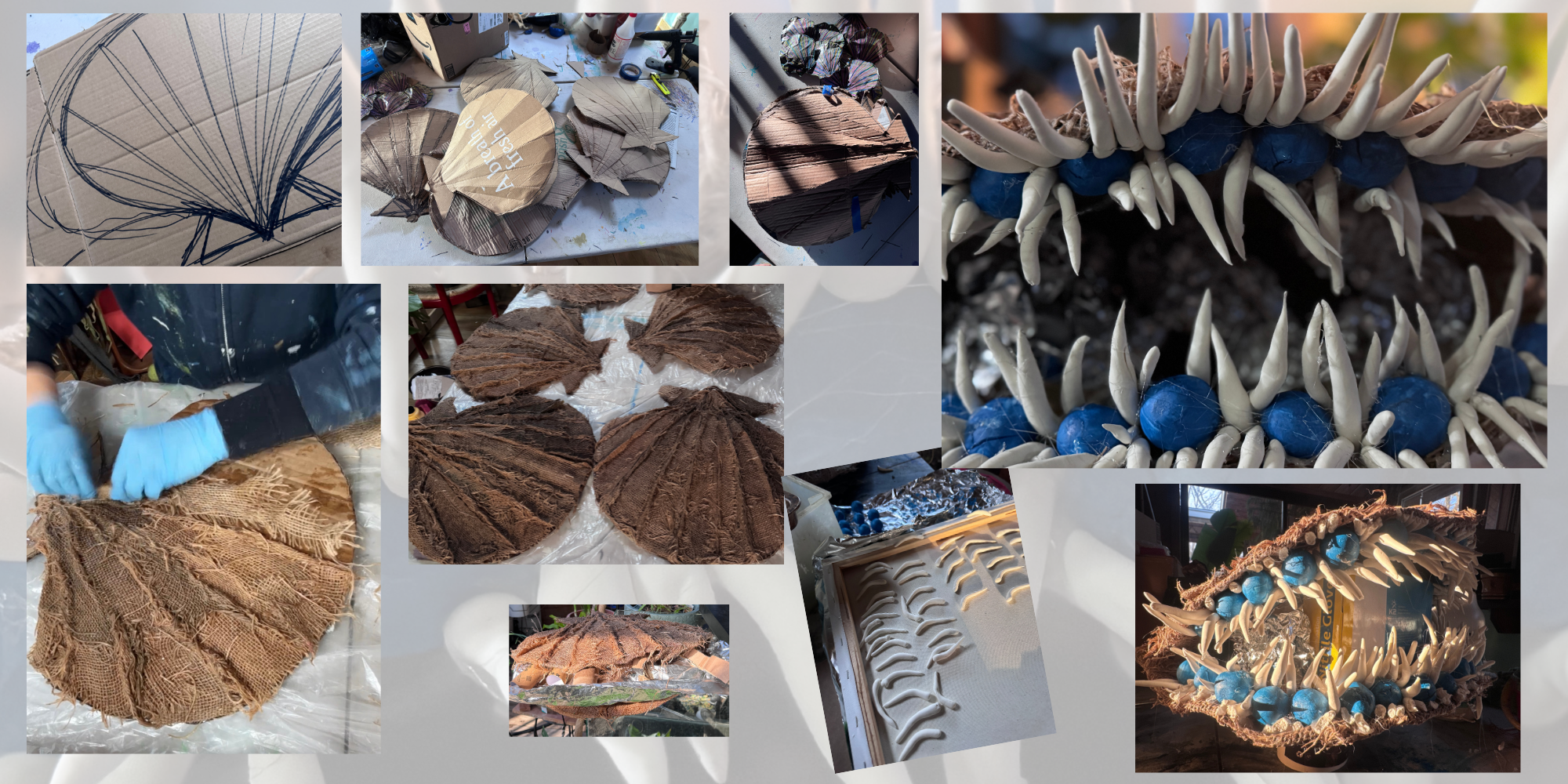
Creating scallops from cardboard, burlap, & clay.
The scallops I made from cardboard boxes and burlap scrap mache. In our eelgrass restoration efforts we use burlap circles that volunteers cut for us and we end up with lots of scraps that we then use in various art and garden projects. I made one scallop have blue eyes and white gills… it definitely did not come out how I envisioned but I love it none the less and it will make a great Halloween decoration. Maybe a Halloween raffle in support of our ArtSea program??!!
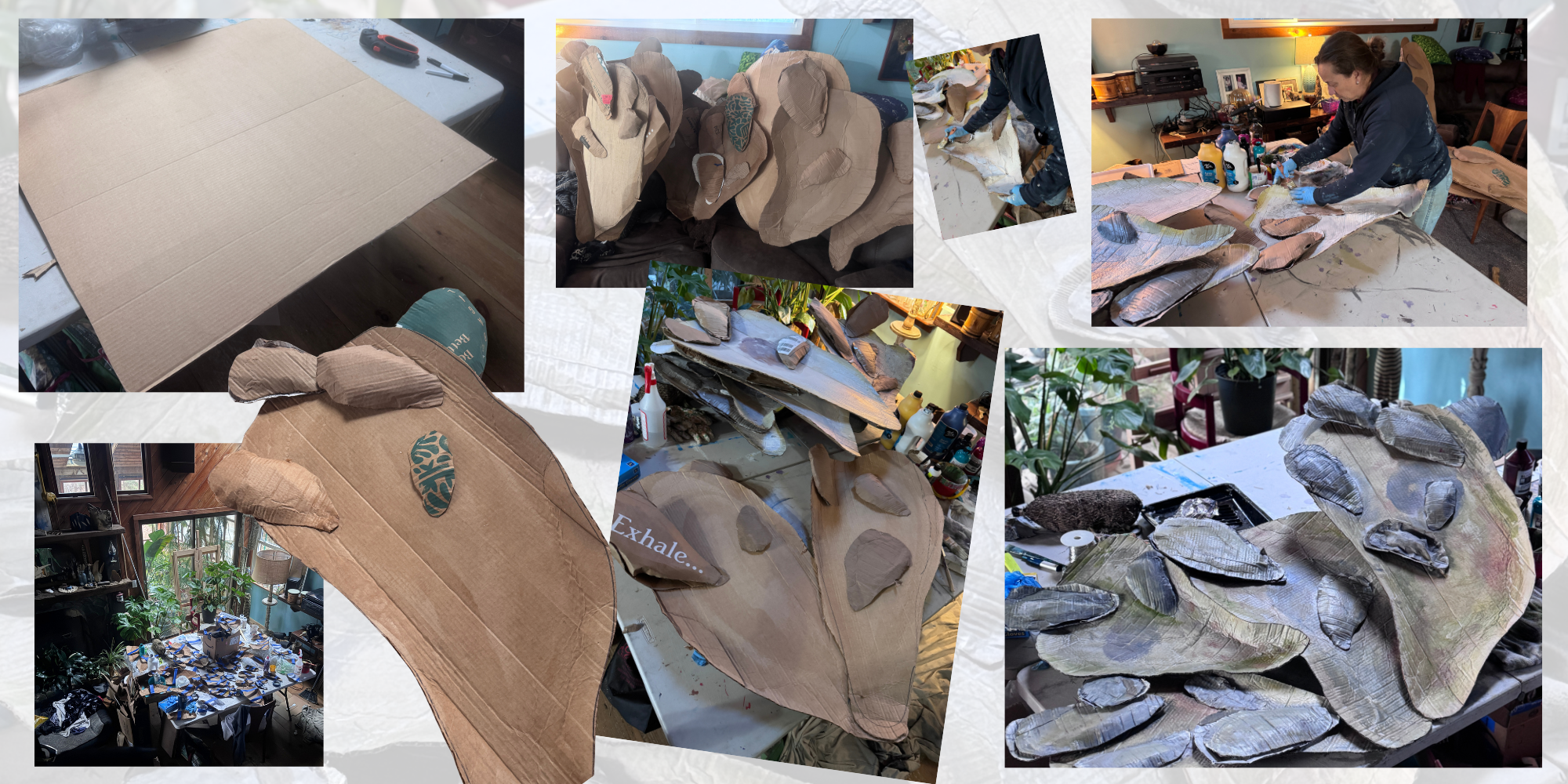
Oyster spat on shell made from large cardboard boxes & sheets, glue and paint!
This project was the first time that I used a battery operated cardboard cutter and let me tell you I feel like I bought myself so much new inspiration! It’s hand-held and pretty easy to operate, but it has me super excited thinking about all the sea creatures, plants, and algae that the youngsters (and adults) and I could do with cardboard jigsaws!
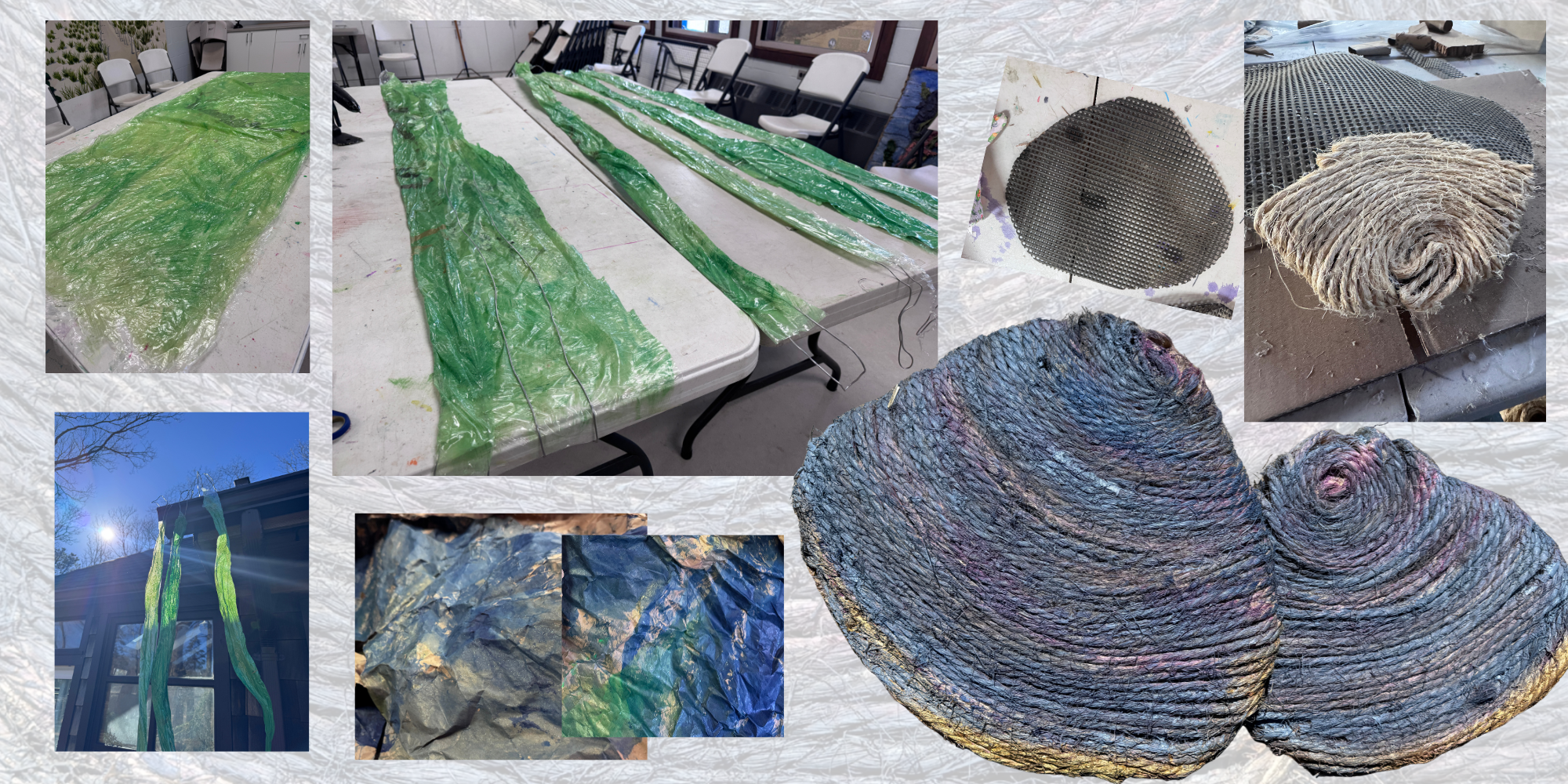
Large eelgrass was made for the seahorse communiity collages from plastic packing, wire, paint and a heat gun! Clams made from a torn oyster cage, jute, and paint. Water and sand made from paper packing materials wash painted with blues & greens.
Step 4: Assembling the float…before the parade passes by 🎶
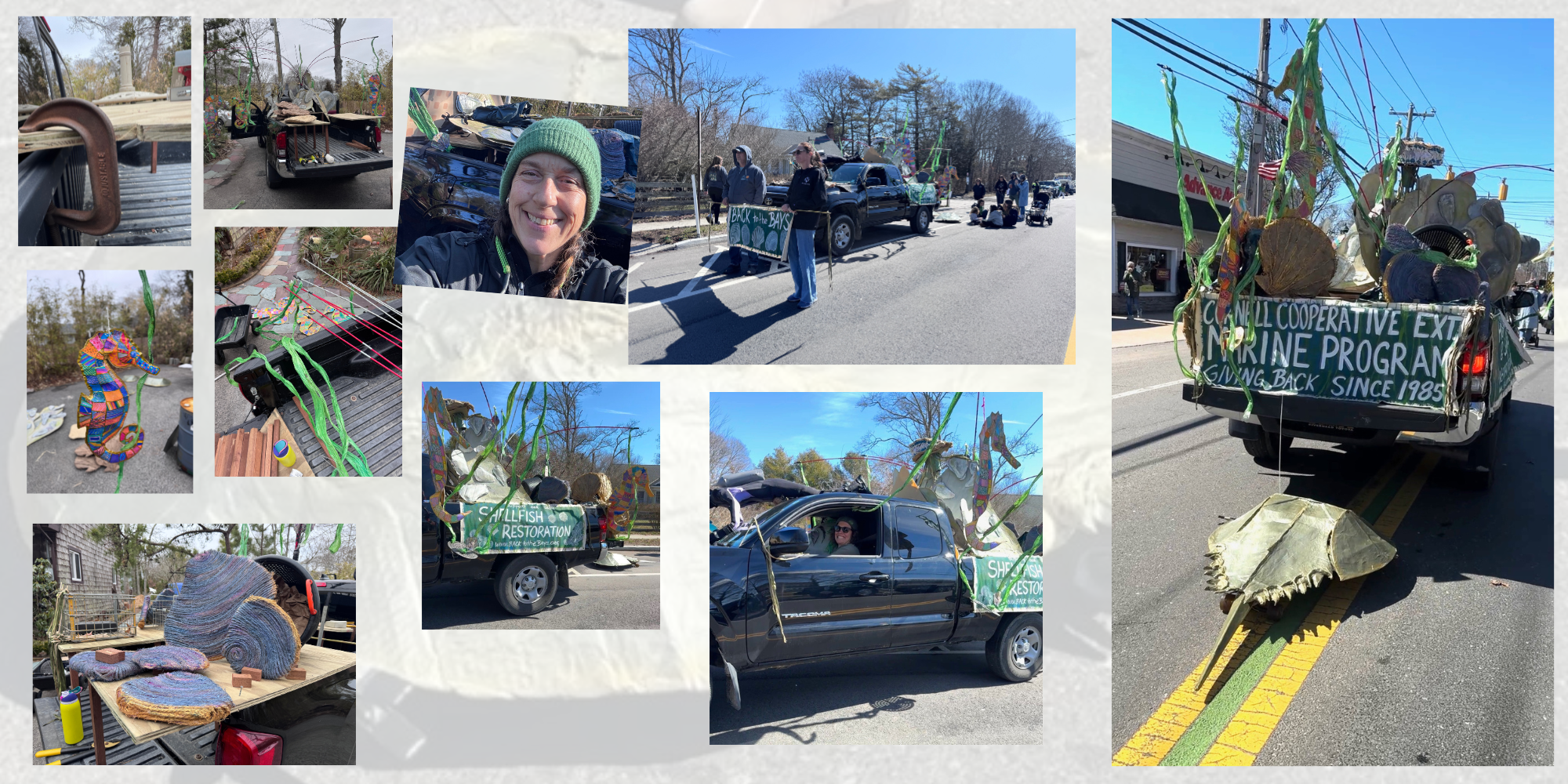
Assembling the float in the back of the Tacoma. A plywood sheet, scrap wood, metal bins, an umbrella stand, flexiable tent poles, wire, tape, screws, rope, and some of Dad’s old clamps! Ready, set, go!
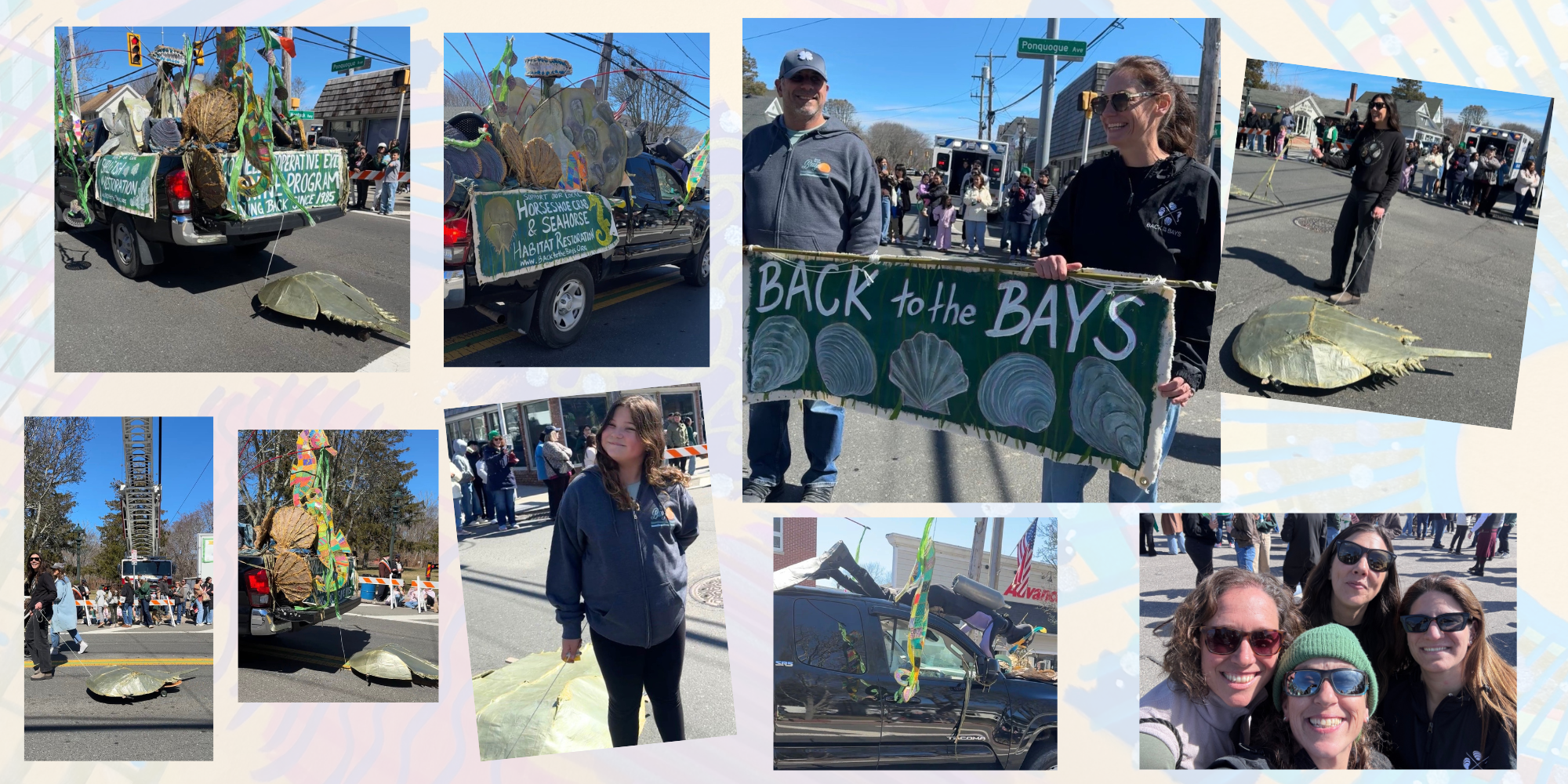
A mile of smiles :)
If you enjoy the creative outreach work we do with our ArtSea programs and the direct creative works of our resident artist, please consider making a donation to ArtSea